
Last season set the stage
spaceNEXT 2026 brought together leaders from across the space economy for two days of ideas, connections, and conversations about the industries being built beyond Earth. Revisit the speakers, sessions, highlights, and momentum that helped shape the road to 2027.

Home Field
Admit one · 2027
WashingtonNationals Park
1500 South Capitol St SE · Washington, DC 20003
The Game Begins In
Establishing the Baseline
Before we look ahead to 2027 at Nationals Park, we reflect on the inaugural 2026 spaceNEXT event. It brought together policymakers, innovators, and industry leaders to discuss the most pressing issues in the commercialization of space.
From AI at the edge and orbital data centers to nuclear innovation and the future of Earth observation, 2026 set the agenda for what it will take to build a sustainable, scalable space economy.

- Australia
- Canada
- Finland
- India
- Italy
- Japan
- Republic of Korea
- Netherlands
- Sweden
- United Kingdom
- United States
- Poland
- Greece
- Hungary
- Denmark
- Slovenia
- Brazil
- Switzerland
Highlights
2026 Key Themes
Infrastructure
Discussions centered on scalable power systems, nuclear innovation, and the massive energy infrastructure needed on Earth to support orbital data centers and lunar mining.
Commercialization
Leaders explored standards, interoperability, and the post-ISS shift to multi-platform operations required to make in-space manufacturing commercially repeatable.
Security & AI
Experts addressed the hidden threats in congested orbits and the necessity of deploying autonomous, quantum-ready AI systems with secure testing frameworks.
From the Main Stage
Session Recaps
Revisit every conversation from the 2026 spaceNEXT Main Stage.
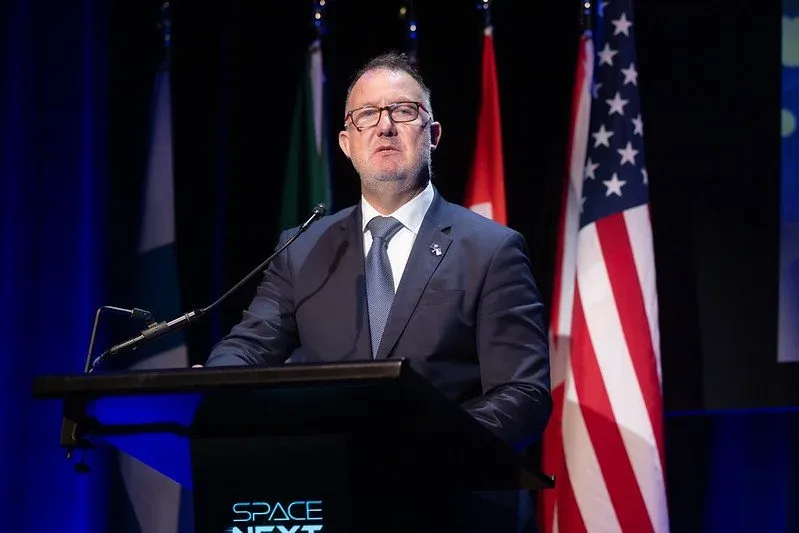
Australia’s Space Advantage: Launch, Return, and Strategic Partnership
Australia is emerging as a global launch and return hub, backed by six decades of U.S. cooperation. At spaceNEXT 2026, Paul Burfield outlined how lunar rovers, sovereign rockets, and in-space manufacturing are shaping Australia’s next chapter in the global space economy.
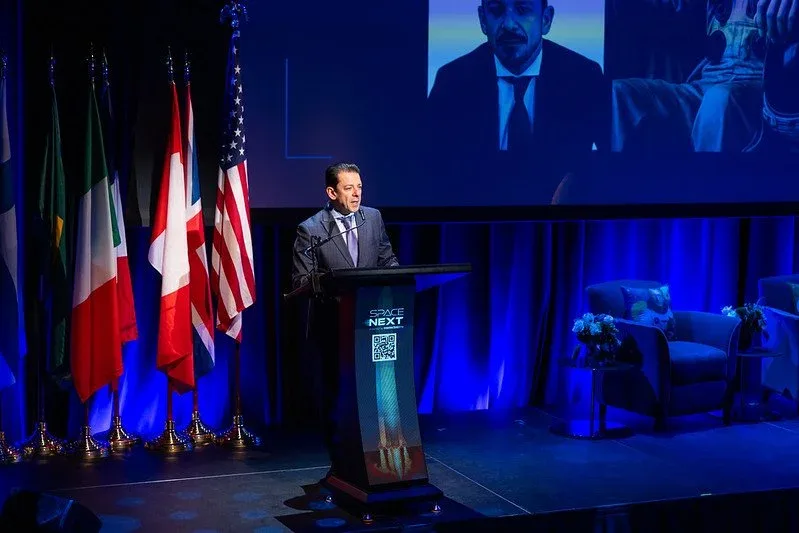
Italy’s Space Strategy: From Lunar Habitats to Mars Missions
Italy is scaling its space strategy from lunar habitation modules and Mars missions to launch infrastructure and U.S. investment. At spaceNEXT 2026, Aniello Violetti outlined how Italy is strengthening its role as a strategic transatlantic partner across the full space value chain.
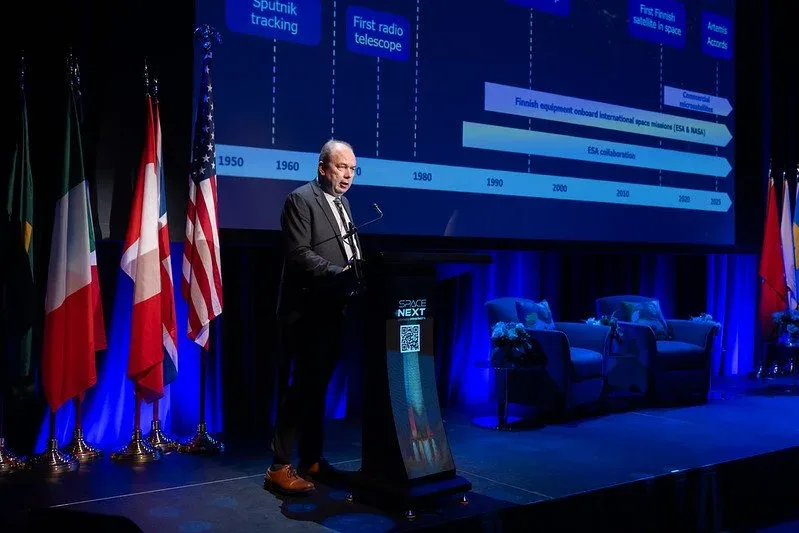
Finland’s New Space Economy: From Student Satellites to Arctic Advantage
Finland’s commercial space economy has accelerated rapidly since 2017, building on deep research expertise and Arctic advantage. At spaceNEXT 2026, Petri Koikkalainen outlined how student satellites, space weather science, and global partnerships are shaping Finland’s role in the new space economy.
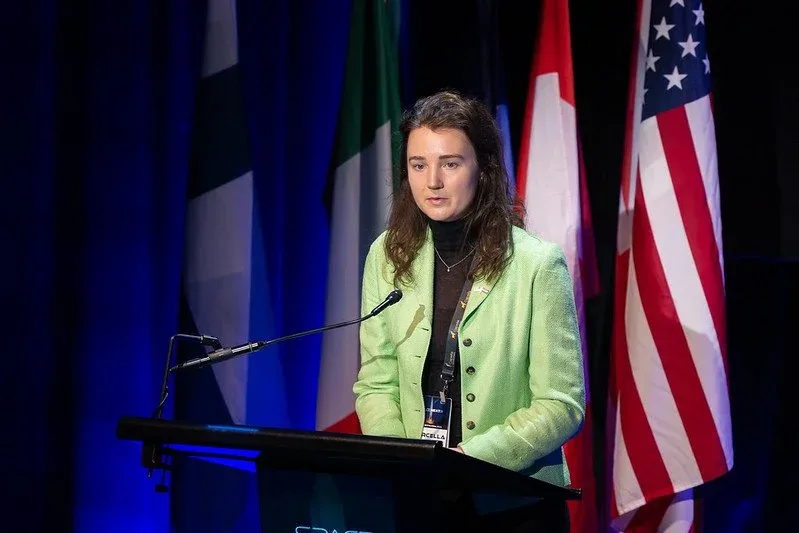
The Netherlands Scales Its Space Strategy: Precision, Partnerships, and Global Impact
The Netherlands is positioning space as a strategic pillar of innovation, climate leadership, and national security. At spaceNEXT 2026, Marcella Kneppers outlined how Dutch precision engineering, Artemis contributions, and deep U.S. partnerships are shaping the future of the global space economy.
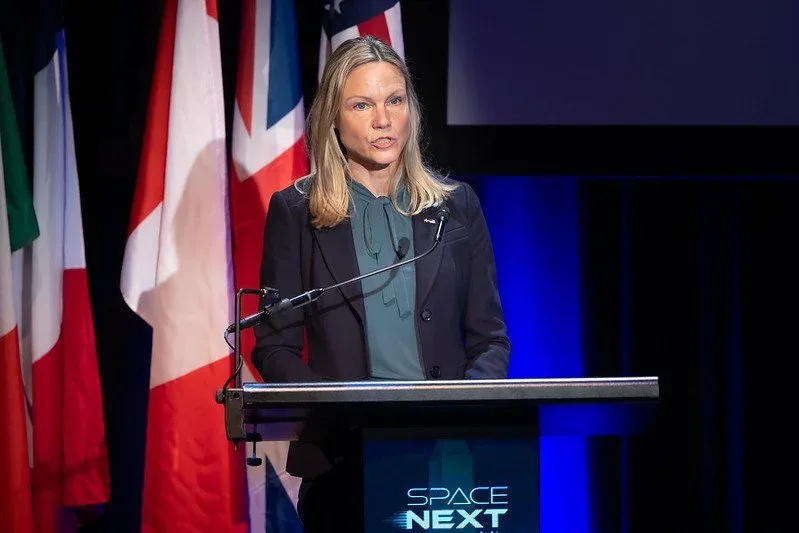
Sweden’s Space Ambitions Take Flight at spacenext 2026
Sweden is scaling its space ambitions—from national satellite programs and dual-use innovation to Arctic launch capabilities and strengthened U.S. collaboration. At spaceNEXT 2026, Maria Brogren outlined how Sweden plans to play a leading role in the next era of the global space economy.
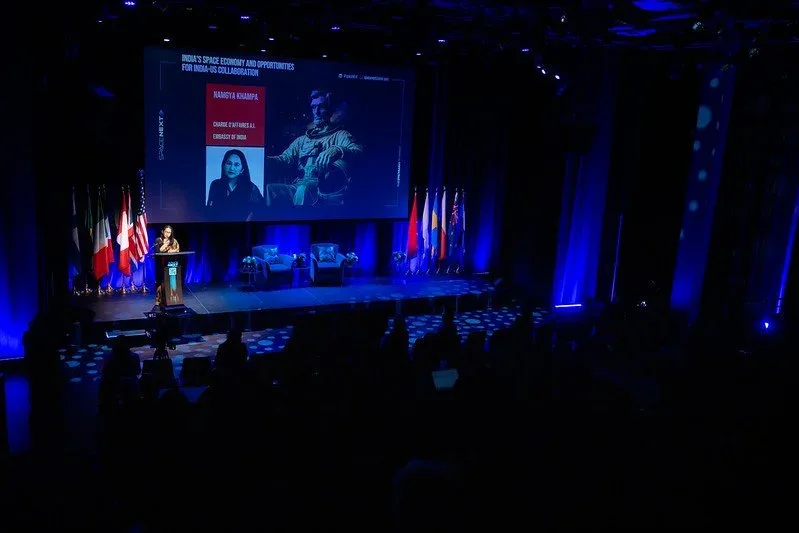
India’s Space Journey: From Bicycles to a $44B Ambition
Namgya Khampa, Chargé d’Affaires a.i. of the Embassy of India, traces India’s remarkable space journey — from a bicycle-borne rocket in 1963 to lunar south pole landings and a $44B space economy ambition — and highlights the deepening India–U.S. partnership shaping the trillion-dollar future of space.
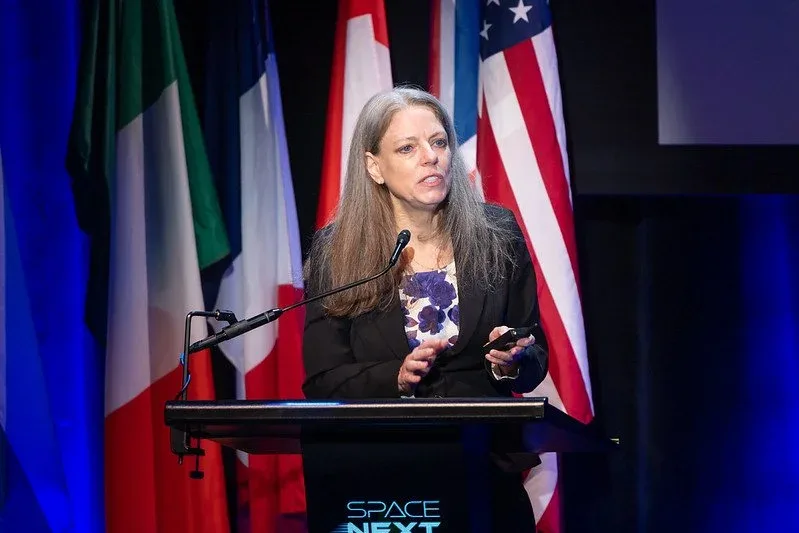
Space BioTechnology at an Inflection Point: How Microgravity is Accelerating the Future of MEdicine
At spaceNEXT 2026, Donna Roberts makes the case for space biotechnology as a transformative platform for medicine — from Alzheimer’s drug screening to personalized cancer therapies — powered by microgravity and next-generation commercial space stations.
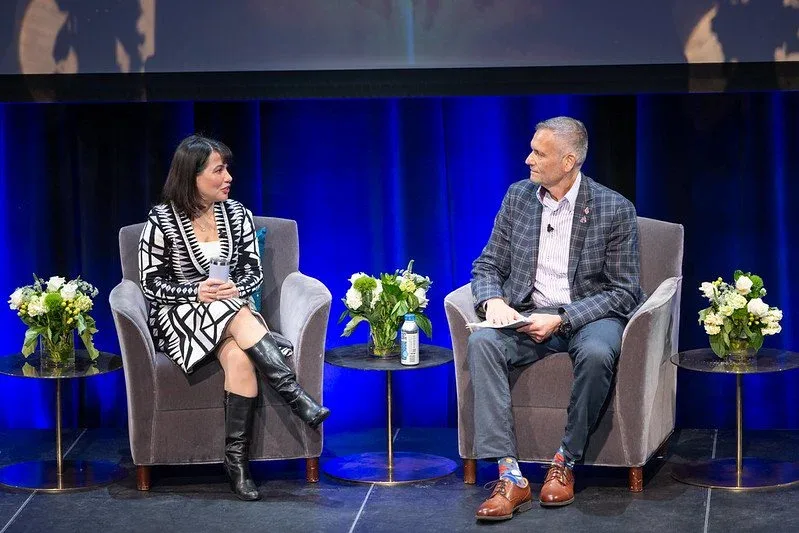
Powering the Lunar Economy: Nuclear Energy, Microgrids, and the Infrastructure of Space
Rima Oueid (DOE) and Ron Faibish (General Atomics) explore how nuclear microreactors, microgrids, and power beaming could enable scalable industrialization of the lunar economy.
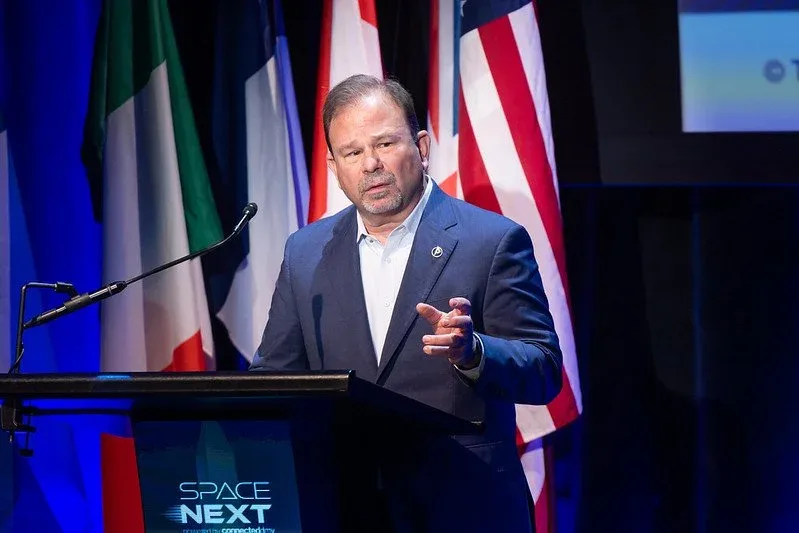
Engineering the Space Ecosystem: Ron Birk Introduces the Lunaverse at SpaceNEXT
Ron Birk, Principal Director of the Space Enterprise Evolution Directorate at The Aerospace Corporation, introduces the Lunaverse — a digital commons and industrial metaverse framework designed to coordinate infrastructure, integrate capabilities, and engineer the next phase of the lunar space ecosystem.
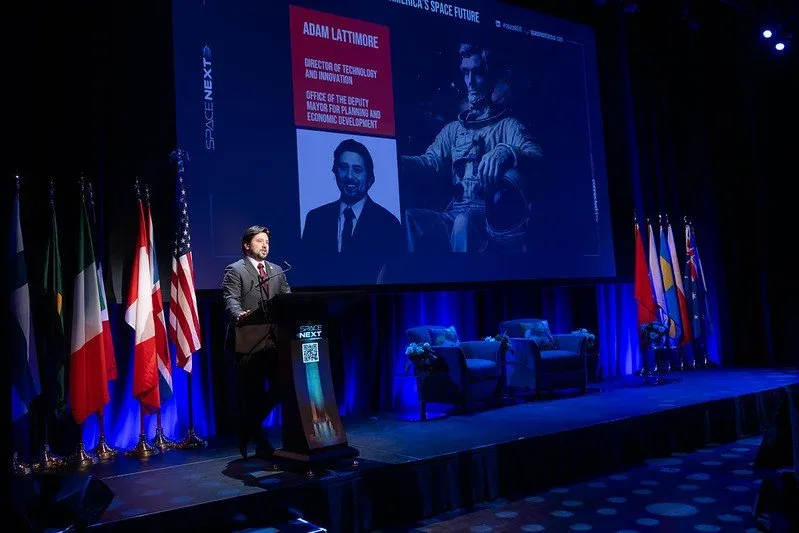
The Decision Economy Powering the Future of Space
Adam Lattimore from the Office of the Deputy Mayor for Planning and Economic Development outlines why Washington, DC — with its capital access, talent density, and proximity to policymakers — sits at the center of the global space decision economy.
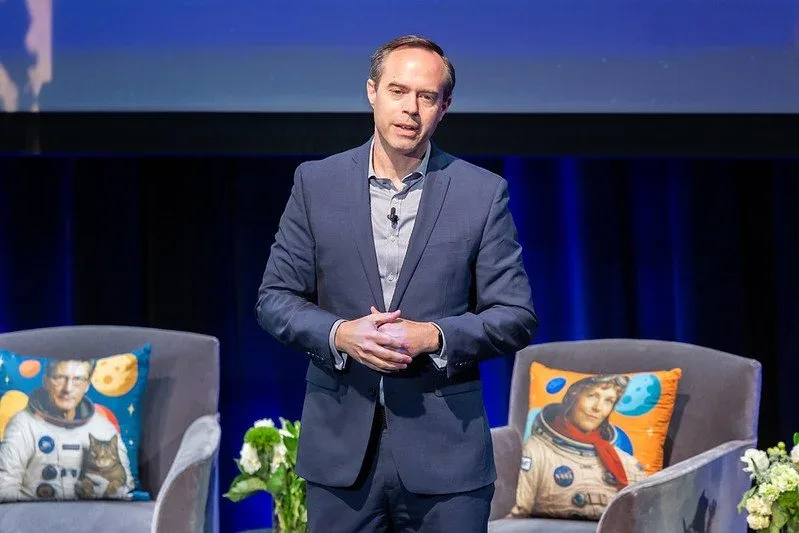
Capital, Security, and Commercial Scale Are Converging in the Space Economy
Preston Dunlap examines how falling launch costs, rising government investment, and frontier capital are converging to build tomorrow’s space enterprise — where security, infrastructure, and commercialization meet.
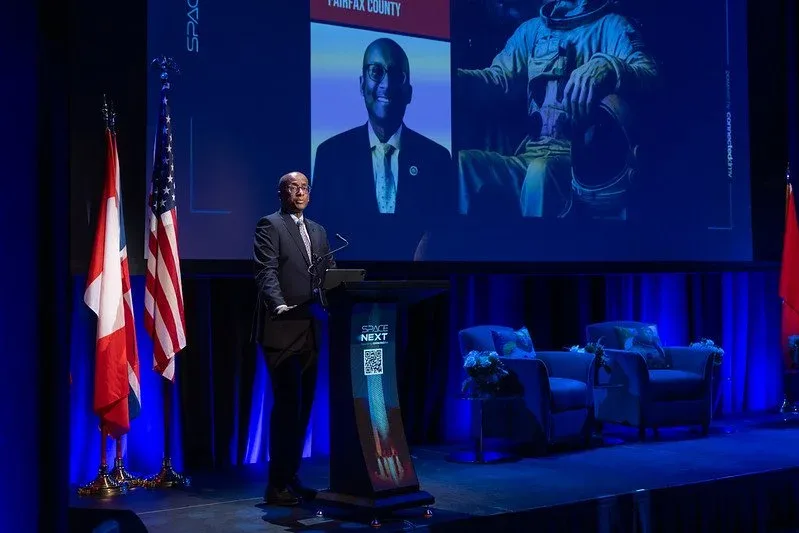
Fairfax County Signals Its Intent to Lead the New Space Economy
County Supervisor Bryan Hill makes the case at spaceNEXT 2026 that Fairfax County is intentionally aligning talent, infrastructure, and strategy to lead the next phase of the American space economy.
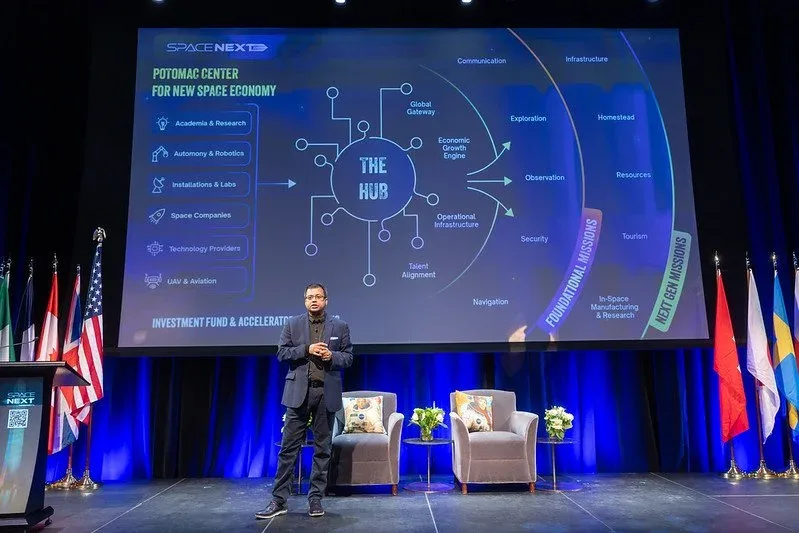
An Introduction to the Potomac Center for the New Space Economy
Connected DMV President & CEO George Thomas unveils a new regional strategy to transform one of the world’s densest concentrations of space assets into a coordinated commercialization engine.
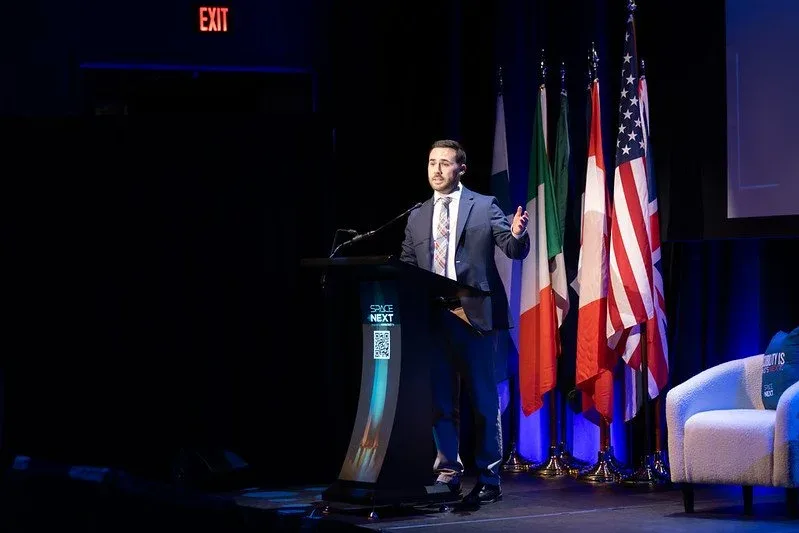
Designing for Permanence: Why the Future of Space Must Be Circular
Kyle Cybul takes the main stage at spaceNEXT 2026 to argue that the future of space operations depends on a circular economic model — one built on servicing, regeneration, and permanence rather than disposal and replacement.
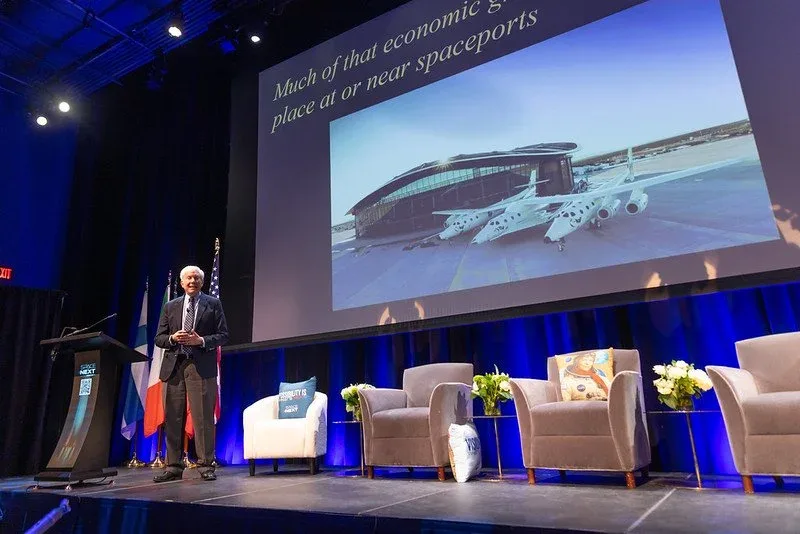
Spaceports as Economic Engines: Unlocking the $1 Trillion Space Economy
George Nield takes the main stage at spaceNEXT 2026 to argue that modern spaceports must evolve beyond launch pads — becoming economic hubs capable of supporting a trillion-dollar global space economy.
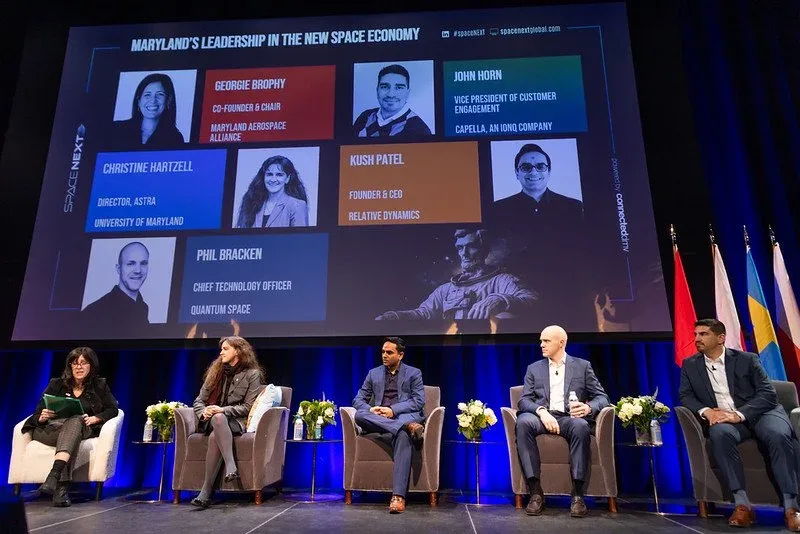
Toward a Scalable Space Economy: Infrastructure, Mobility, and Maryland’s Advantage
A candid conversation at spaceNEXT 2026 explored the infrastructure, mobility, interoperability, and talent systems powering Maryland’s leadership in the new space economy — and what it will take to scale beyond LEO.
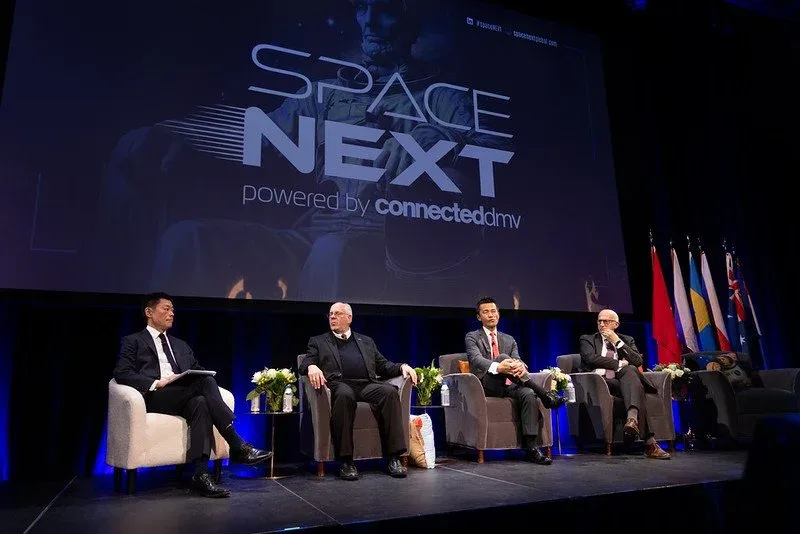
Toward Sustainable Lunar Exploration: Building the Infrastructure for a Lasting Presence Beyond Earth
From Artemis momentum to Moonlight and commercial lunar networks, this session examines how international cooperation—and interoperable systems—can turn lunar exploration into a durable, scalable economy.
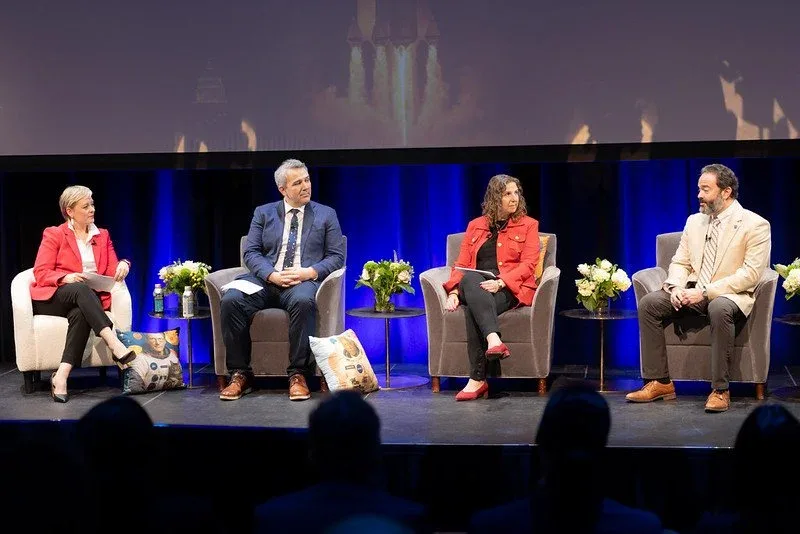
Building the On-Orbit Highways: Logistics, Data, and the Infrastructure Powering the Next Space Economy
Anna Nissinen (Fairfax County EDA), Dave Hebert (Astroscale U.S.), Paula Trimble (Muon Space), and Giovanni Rosanova (NASA Wallops) explored how logistics, low-latency data, and public-private partnerships are building the on-orbit infrastructure powering the next space economy.
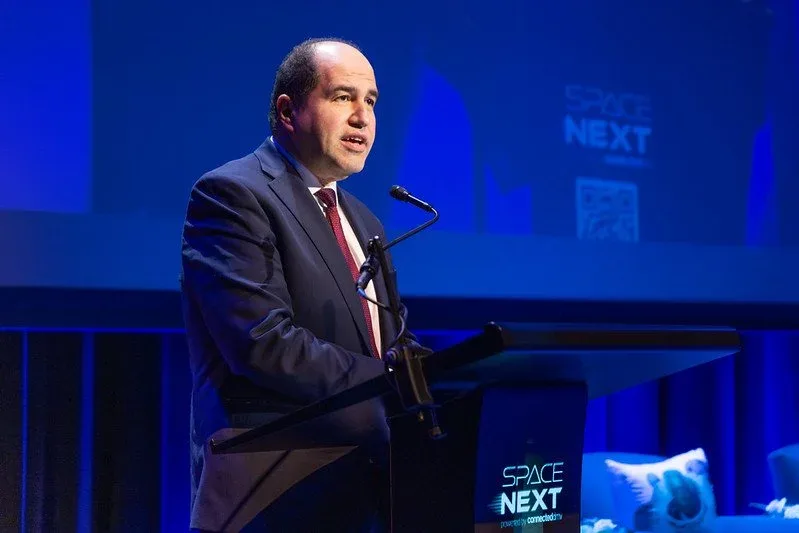
Building the Space Research Ecosystem: Why Institutional Alignment Will Define America’s Next Space Era
USRA’s Elsayed Talaat argues that America’s space leadership depends not on episodic missions, but on a durable research ecosystem built on federal investment, university depth, regulatory clarity, and sustained institutional alignment.
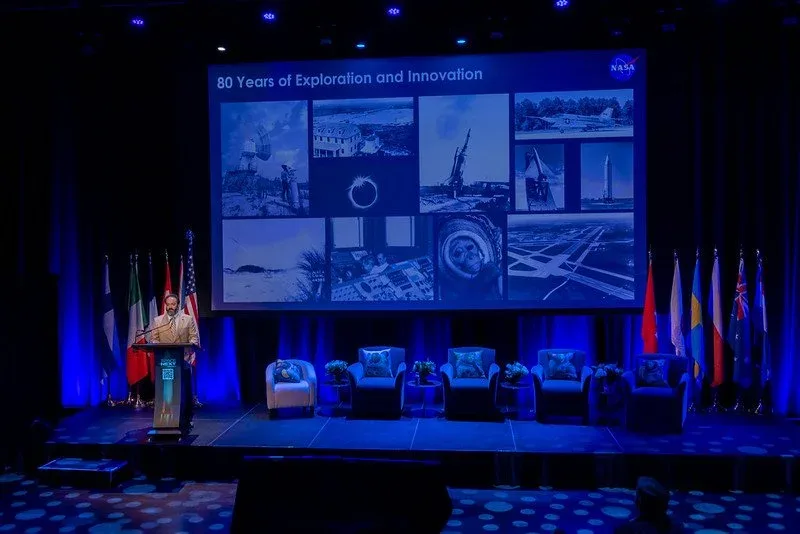
NASA Wallops and the Mid-Atlantic Spaceport: Powering the Next Phase of America’s Launch Economy
Giovanni Rosanova, Jr. outlines how NASA’s Wallops Flight Facility and the Mid-Atlantic Regional Spaceport are scaling commercial launch, hypersonics testing, and cis-lunar capability from Virginia’s Eastern Shore.
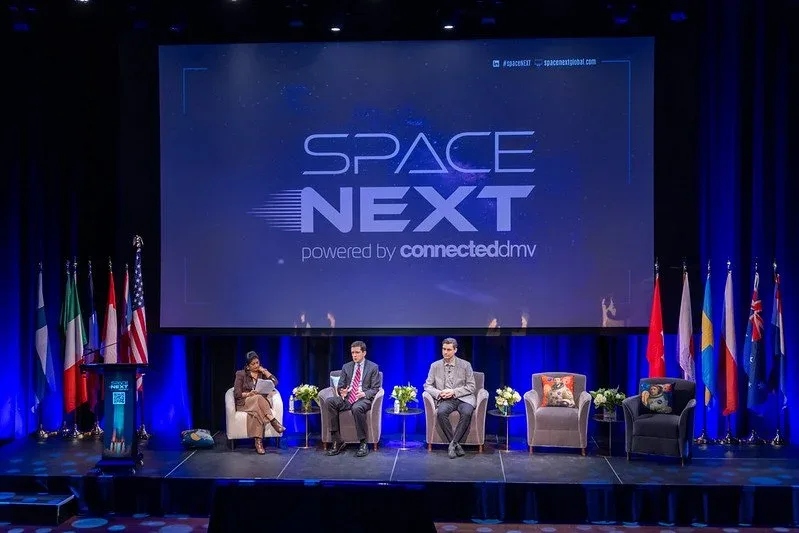
Who Owns the Moon? Lawyers, Investors, and the Rules Shaping the Commercial Space Economy
Pallabi Saboo, Paul Stimers, and Ryan Kelley unpacked property rights, regulatory bottlenecks, investor risk, and the evolving legal frameworks shaping the commercial space economy at spaceNEXT 2026.
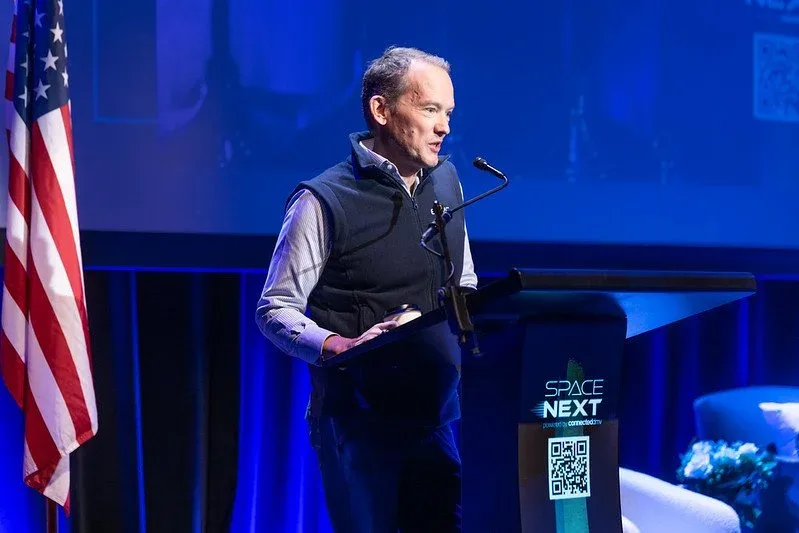
Capital, Commerce, and the Case for Space as a Serious Asset Class
E2MC’s Raphael Roettgen outlines what it will take to transform space from a niche sector into a broadly investable, significant global asset class.
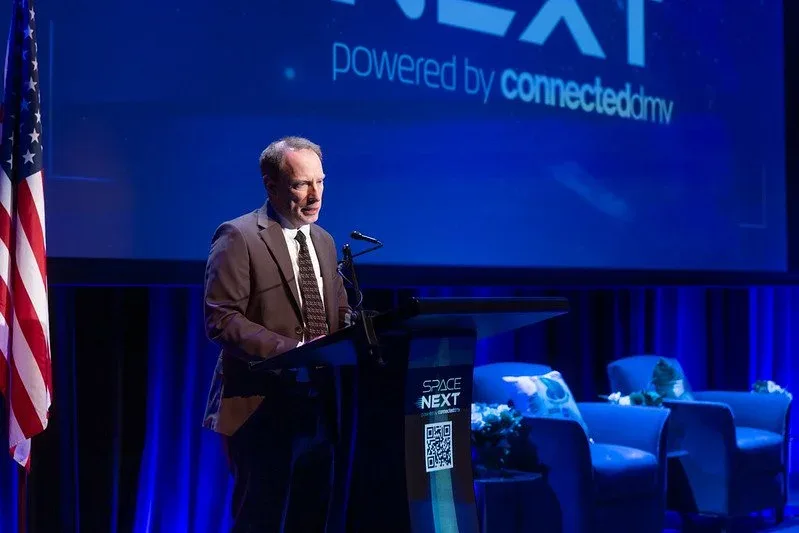
Ensuring American Space Superiority: A Four-Pillar Strategy for Exploration, Security, and Commercial Growth
At spaceNEXT 2026, the White House Office of Science & Technology Policy details a bold framework to secure U.S. leadership in space for the next century.
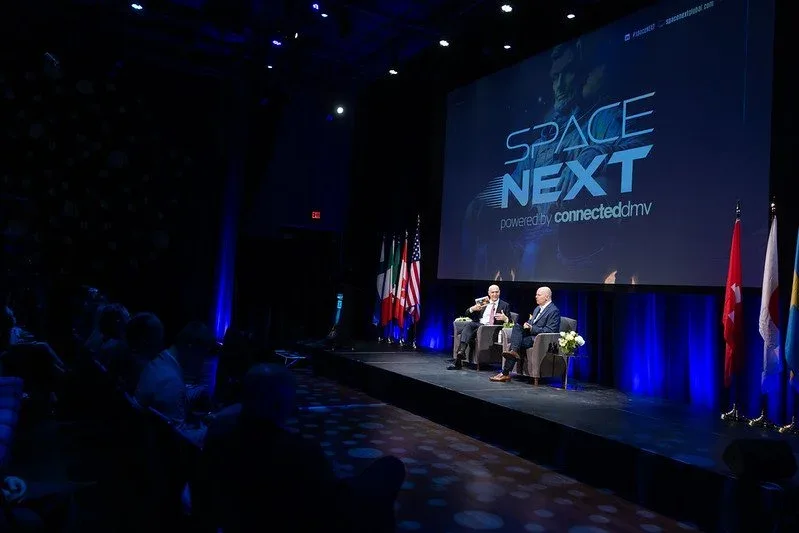
From Orbit to Opportunity: How Fairfax County and a Former NASA Astronaut See the Space Economy Taking Root on Earth
From launch risk to laser communications, this main stage conversation with Victor Hoskins and Paul Richards reveals what it takes to build the space economy — and why the opportunity starts here.
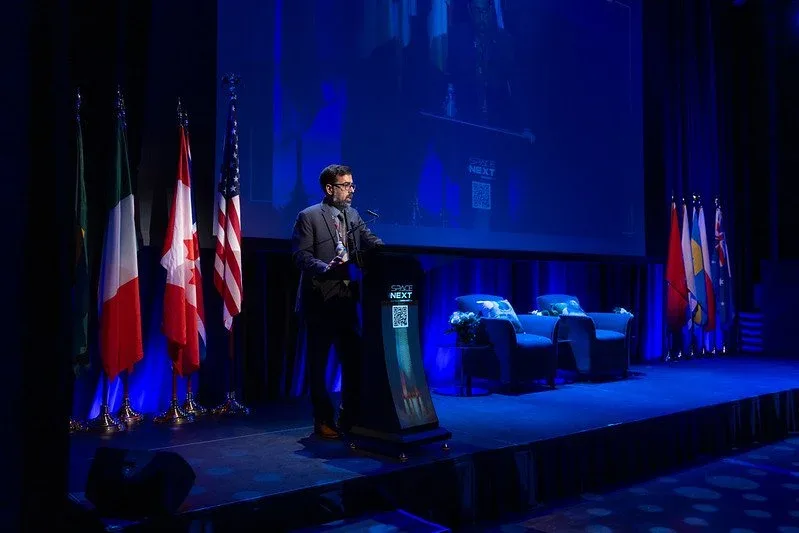
NASA’s Artemis Moment: Building the Infrastructure for the Next Space Economy
As Artemis II systems were being tested at Kennedy Space Center, NASA Associate Administrator Amit Kshatriya told spaceNEXT why Artemis is more than a mission — it’s the infrastructure that will enable the next era of commercial and allied space exploration.
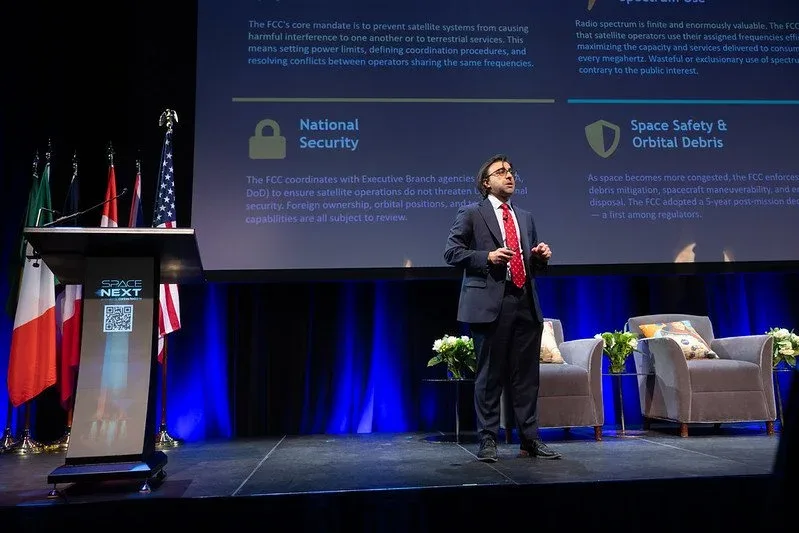
The Rules That Power Orbit: Arpan Sura Outlines the FCC’s Space Modernization Agenda
Arpan Sura of the FCC outlined a sweeping modernization of U.S. satellite licensing — from clearing backlogs to unlocking 20,000 MHz of new spectrum — arguing that regulatory efficiency is now a strategic advantage in the global space race.
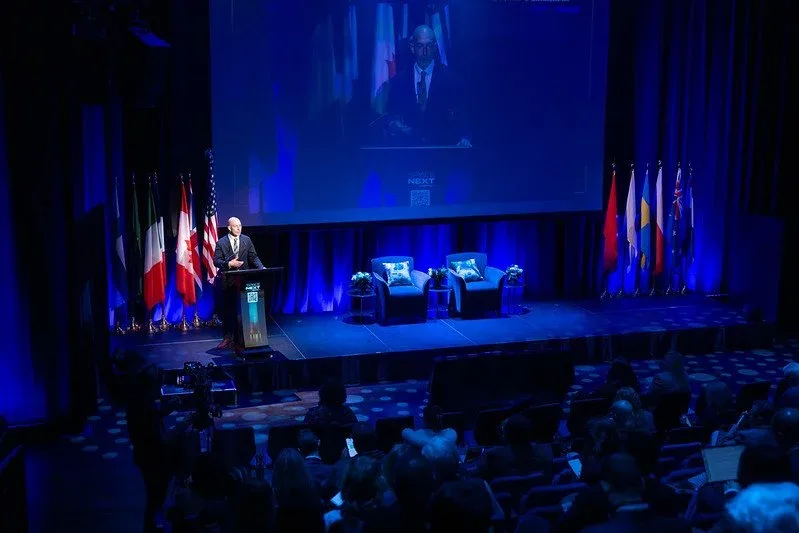
Clearing the Path to Orbit: How the U.S. Plans to Unlock the Next Era of Commercial Space
Gabriel Swiney of the U.S. Office of Space Commerce outlined a proposed light-touch certification framework to close America’s “mission authorization” gap — a critical step toward unlocking next-generation commercial space activities and sustaining U.S. leadership in the new space economy.
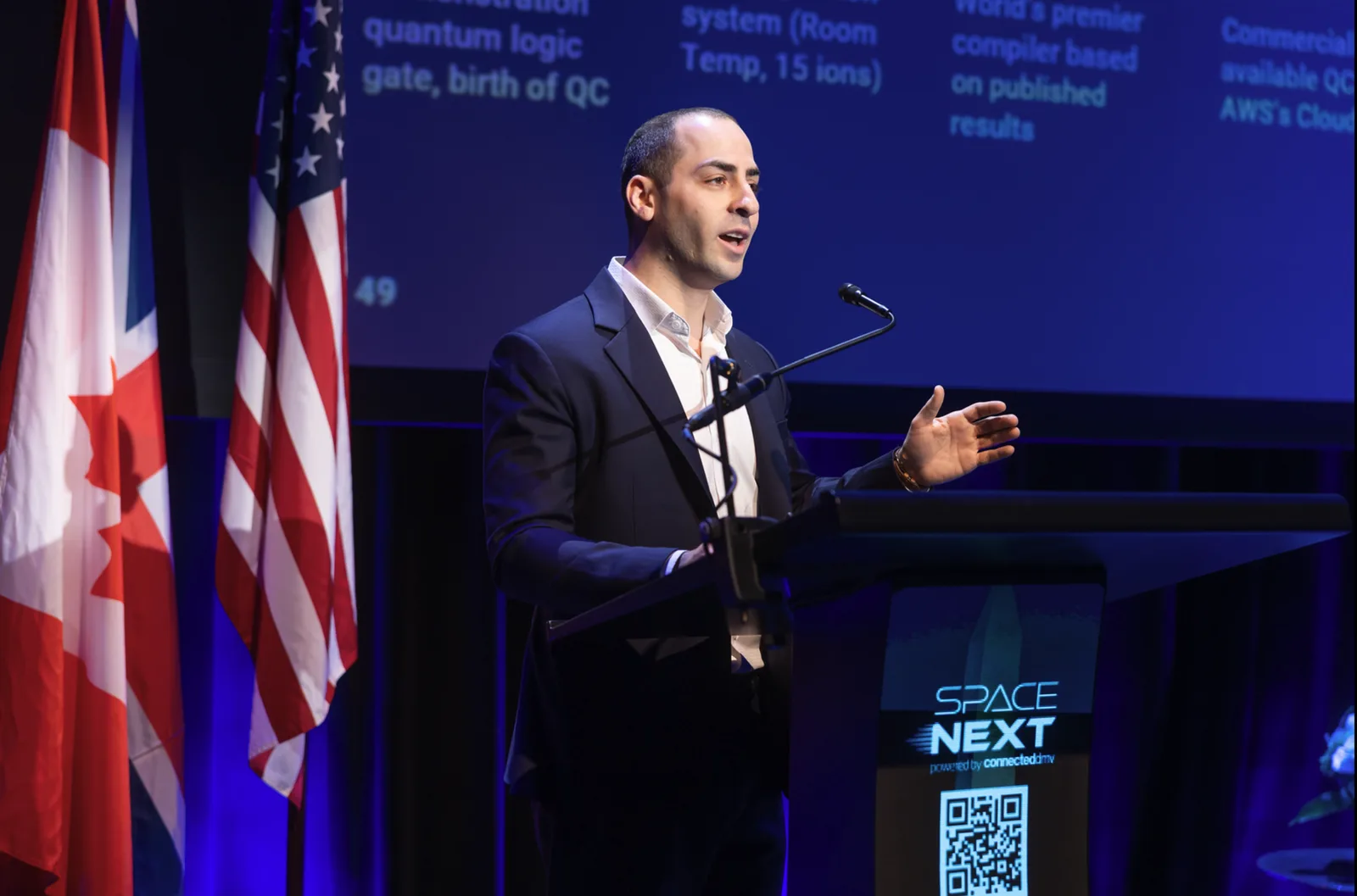
From Ground to Orbit: IonQ Outlines a Full-Stack Quantum Future at spaceNEXT 2026
Jordan Shapiro of IonQ outlined how the company — alongside Pioneer Sponsor Capella Space — is building a full-stack quantum platform spanning compute, networking, security, sensing, and space infrastructure. From optical clocks to quantum-secure satellite relays, IonQ’s vision connects ground networks to orbit in pursuit of commercial quantum advantage.
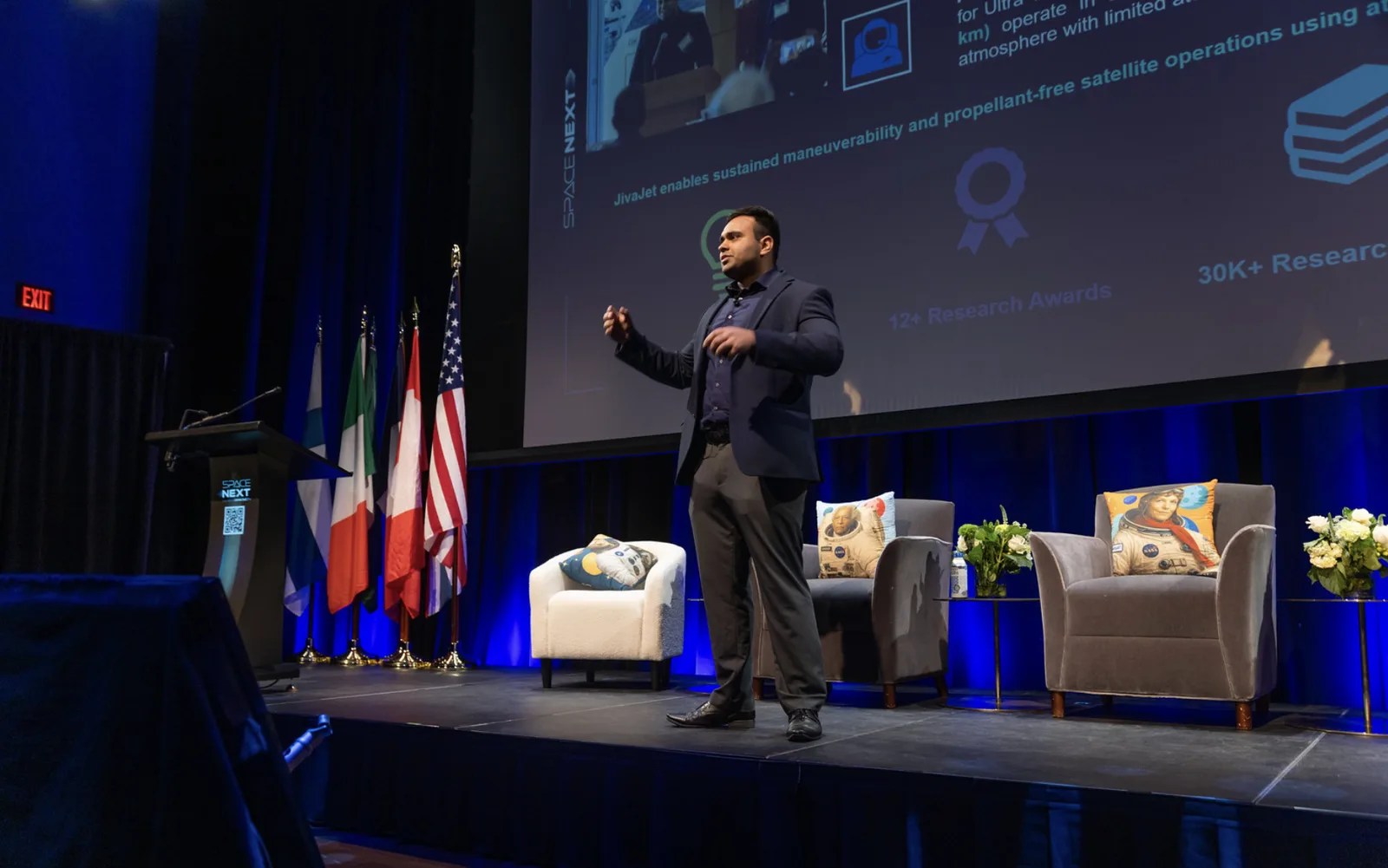
JivaJet Introduces Air-Breathing Plasma Propulsion to Unlock Ultra VLEO at spaceNEXT 2026
At spaceNEXT 2026, JivaJet CTO Dr. Anmol Taploo introduced a breakthrough air-breathing plasma thruster designed to unlock Ultra Very Low Earth Orbit (80–150 km). By using atmospheric air as propellant, JivaJet aims to reduce launch costs, eliminate debris risk, and enable adaptive VLEO platforms for ISR, IoT, and edge AI.
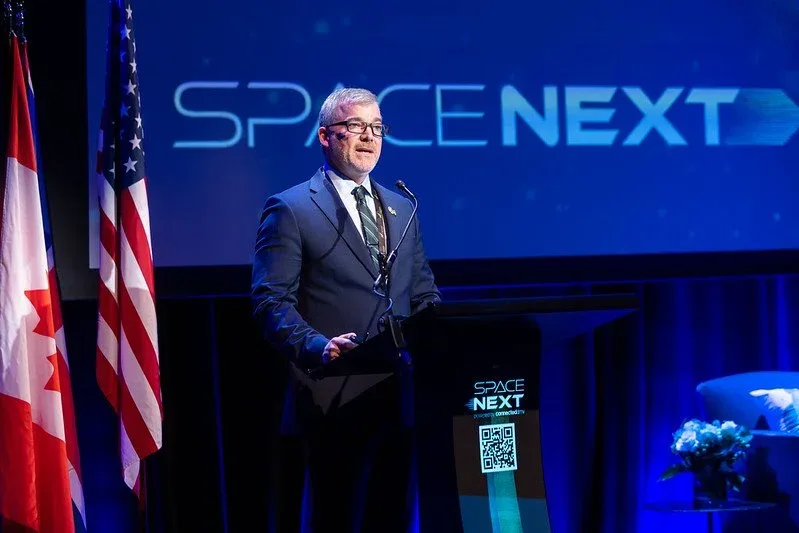
George Mason University Calls for Ecosystem-Driven Innovation at spaceNEXT 2026
At spaceNEXT 2026, George Mason University Dean Cody Edwards outlined why the next era of space commerce will be defined not by rockets alone, but by talent mobilization, integrated research, and ecosystem-driven collaboration. Positioned at the intersection of policy, technology, and mission execution, Mason is building the academic foundation for the new space economy.
Who Was There
2026 Speaker Roster
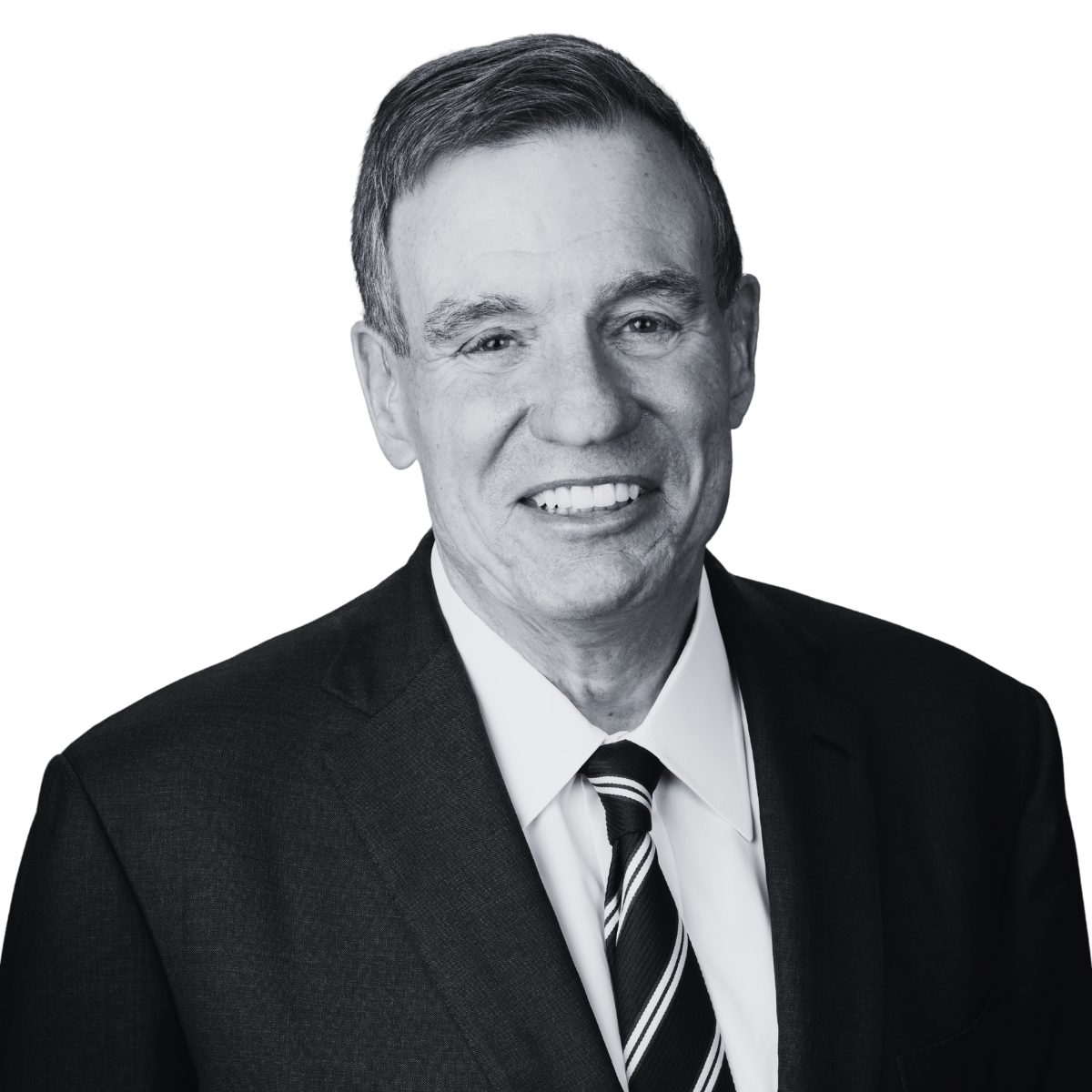
Senator Mark Warner
U.S. SENATOR
VIRGINIA
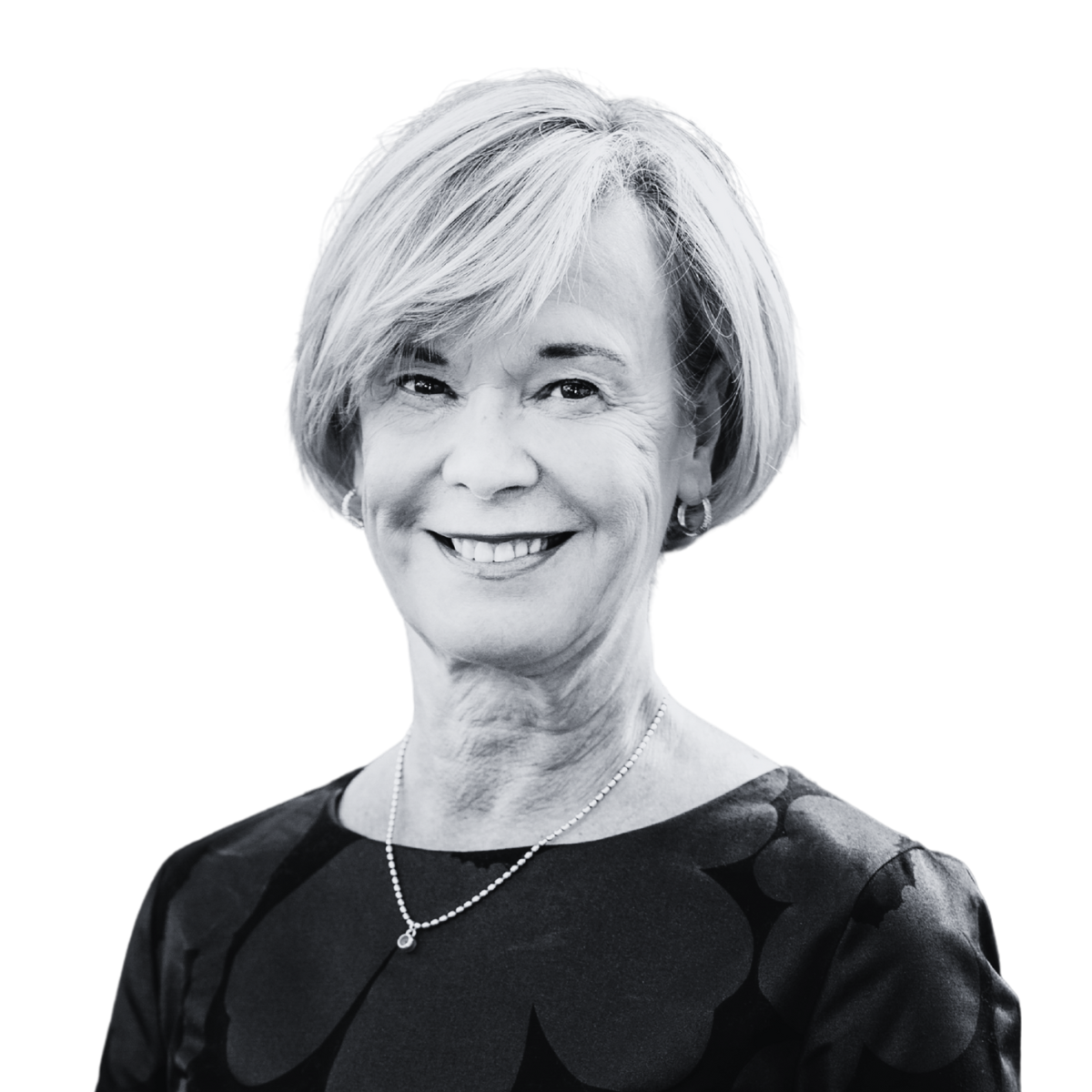
H.E. Leena-Kaisa Mikkola
AMBASSADOR OF FINLAND TO THE UNITED STATES
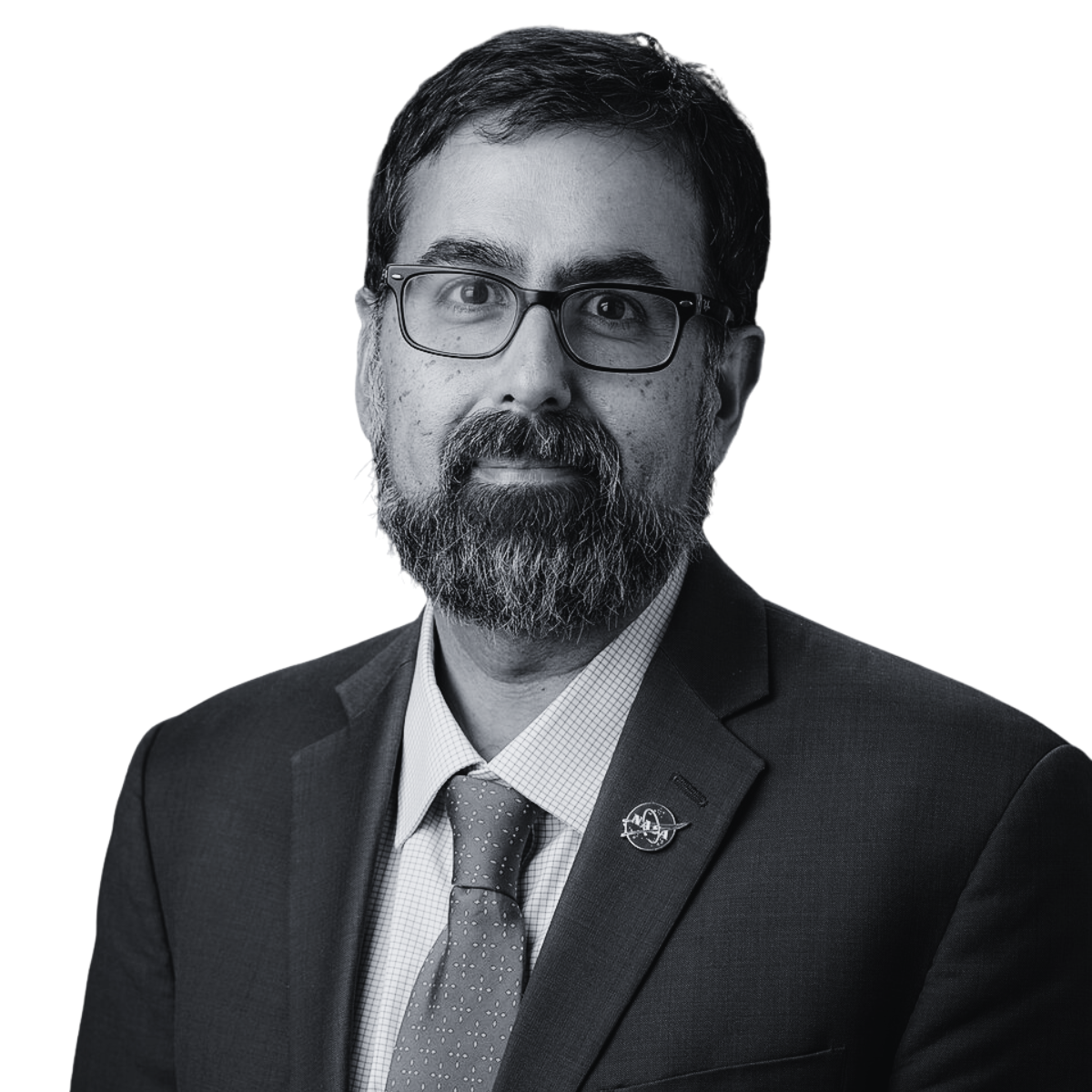
Amit Kshatriya
ASSOCIATE ADMINISTRATOR
NASA

NINA ALBERT
DEPUTY MAYOR FOR PLANNING & ECONOMIC DEVELOPMENT
DISTRICT OF COLUMBIA

Namgya Khampa
CHARGE D’AFFAIRES A.I.
EMBASSY OF INDIA

Arpan Sura
CHIEF AI OFFICER
FEDERAL COMMUNICATIONS COMMISSION

Jason Aspiotis
GLOBAL DIRECTOR, ORBITAL DATA CENTERS
AXIOM SPACE
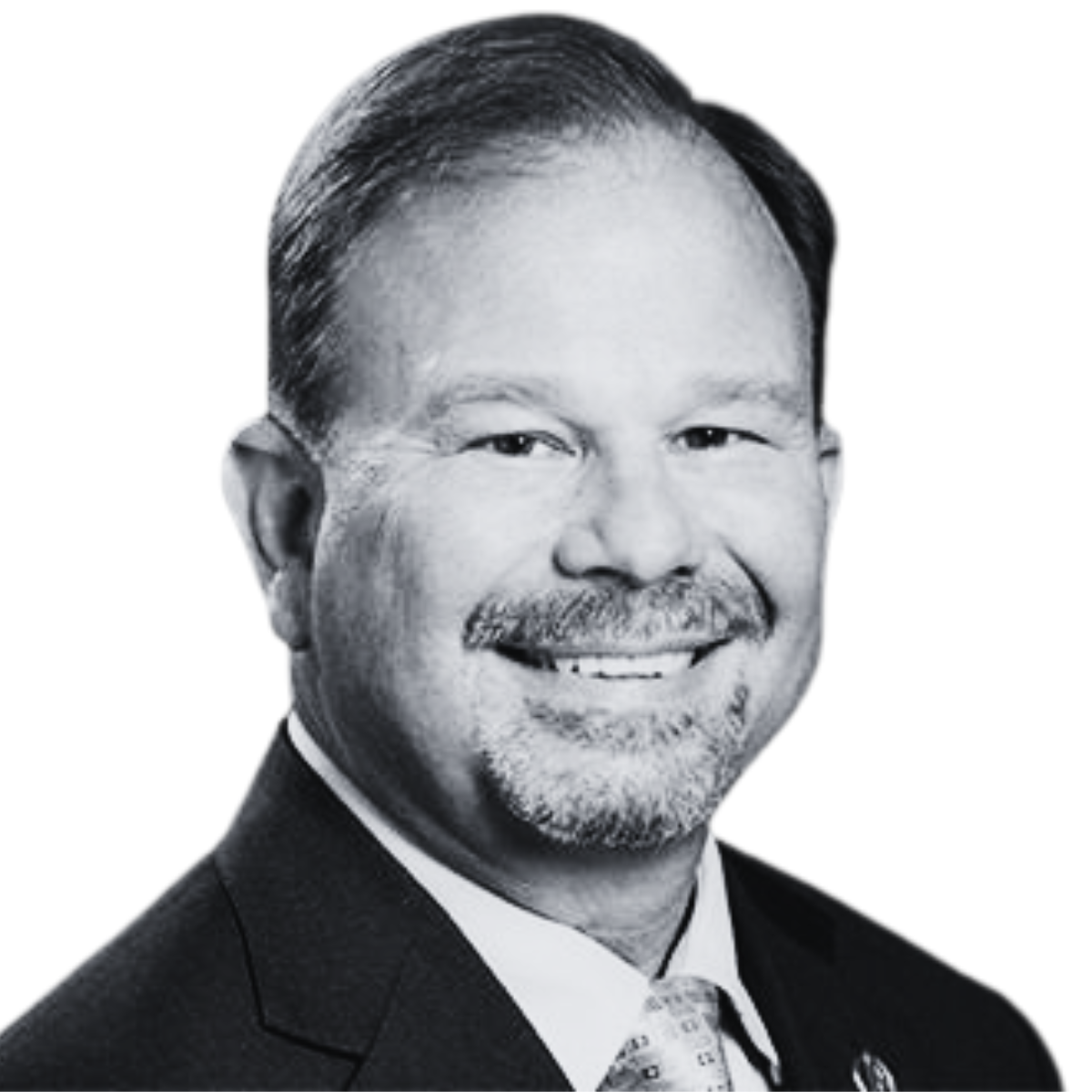
Ron Birk
PRINCIPAL DIRECTOR, SPACE ENTERPRISE EVOLUTION DIRECTORATE
THE AEROSPACE CORPORATION
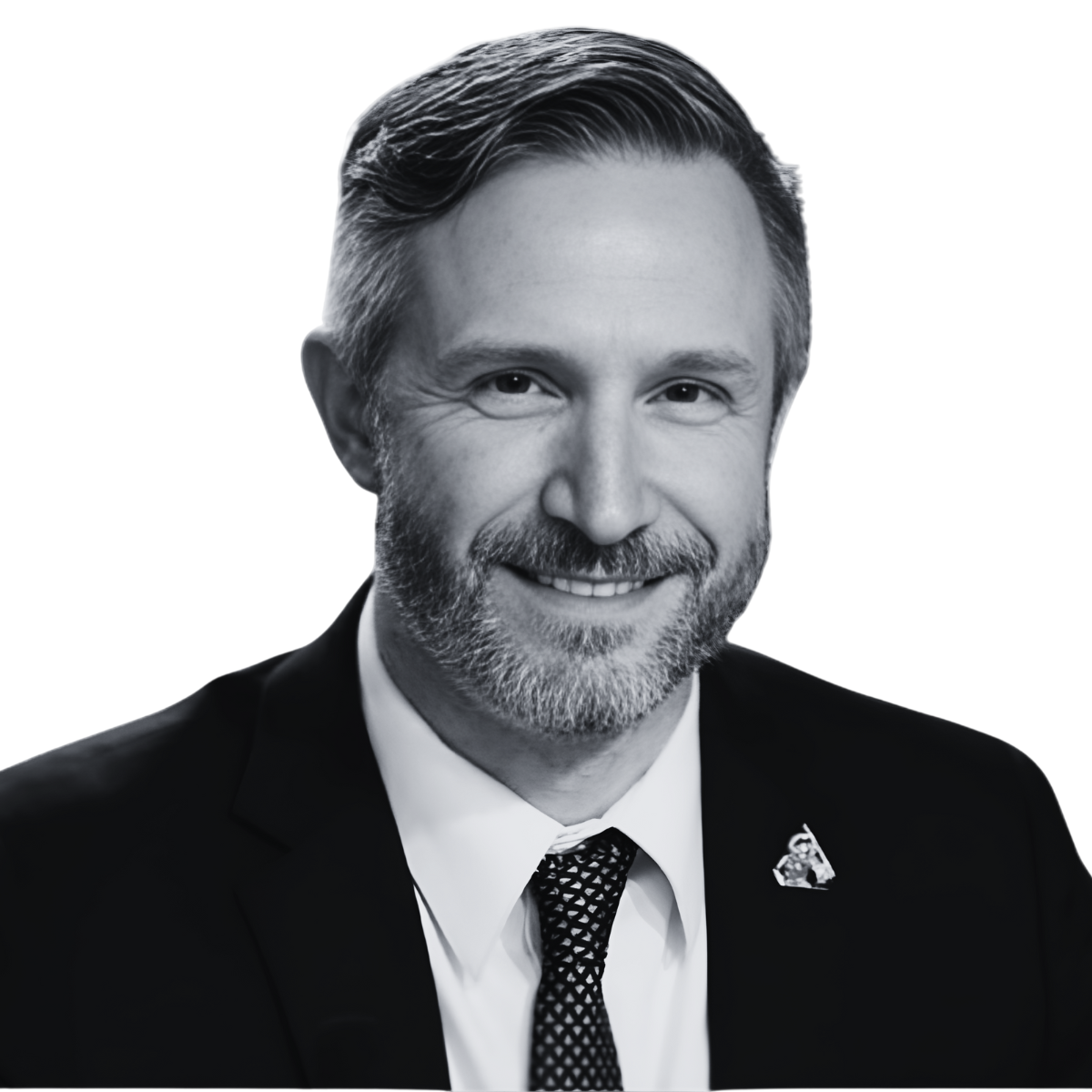
Jacob Bleacher
CHIEF EXPLORATION SCIENTIST
NASA

Maria Brogren
COUNSELOR FOR SCIENCE & INNOVATION, EMBASSY OF SWEDEN
HEAD OF SWEDEN’S OFFICE OF SCIENCE AND INNOVATION

Georgie Brophy
CO-FOUNDER & OFFICER
MARYLAND AEROSPACE ALLIANCE

Paul Burfield
MINISTER COUNSELLOR (COMMERCIAL) DEFENCE, SPACE & SECURITY
AUSTRALIAN TRADE & INVESTMENT COMMISSION (AUSTRADE) EMBASSY OF AUSTRALIA

Bianca Cefalo
CEO & FOUNDER
SPACE DOTS

La Vida Cooper
ASSOCIATE DIRECTOR, PROJECT FORMULATION & DEVELOPMENT OFFICE
NASA GODDARD SPACE FLIGHT CENTER
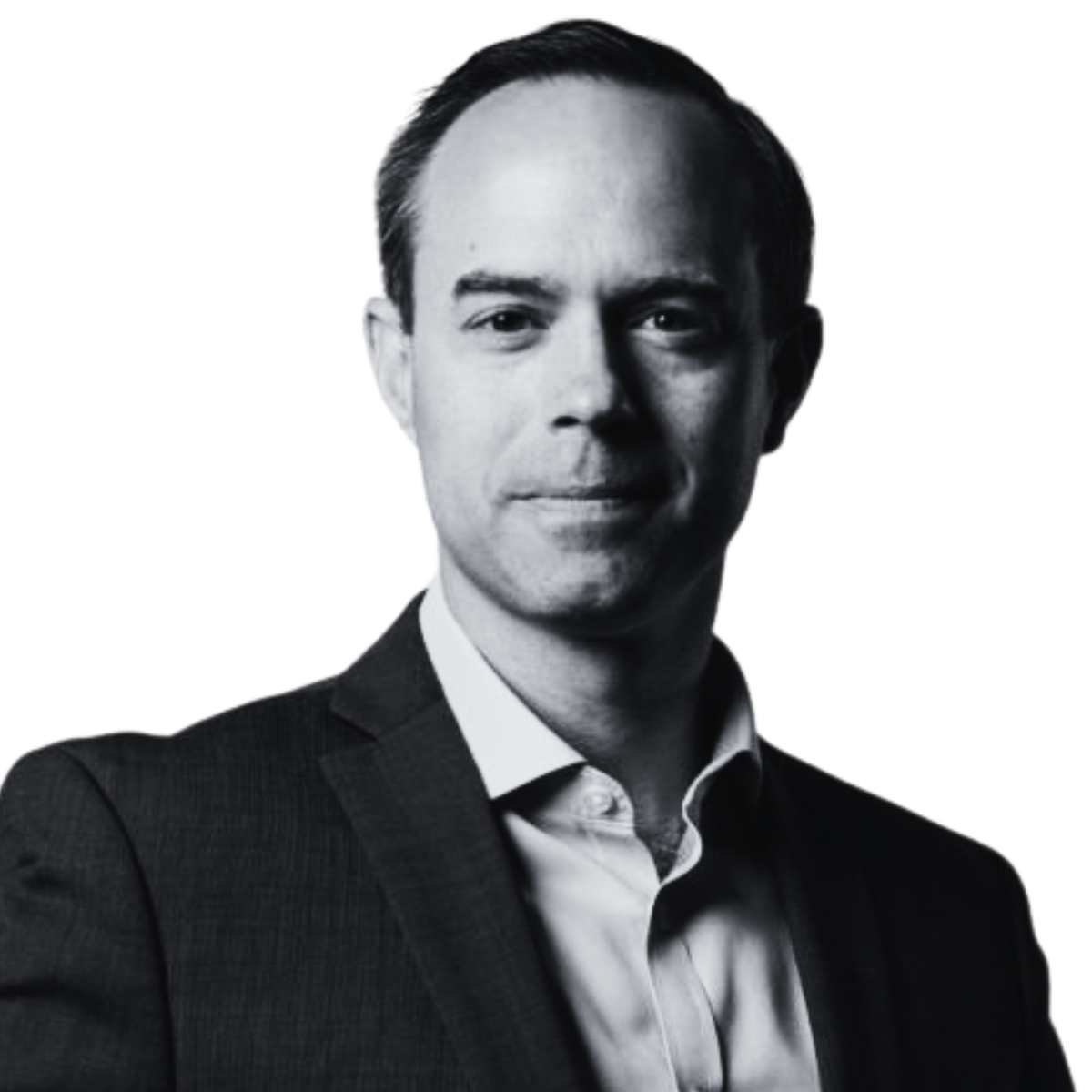
Preston Dunlap
FOUNDER
ARKENSTONE VENTURES

Martin Elvis
ASTROPHYSICIST
HARVARD-SMITHSONIAN CENTER OF ASTROPHYSICS

Ron Faibish
SENIOR DIRECTOR OF STRATEGIC DEVELOPMENT, NUCLEAR TECHNOLOGIES & MATERIALS
GENERAL ATOMICS

Johannes Galatsanos
CO-FOUNDER & CEO
DIFFRAQTION
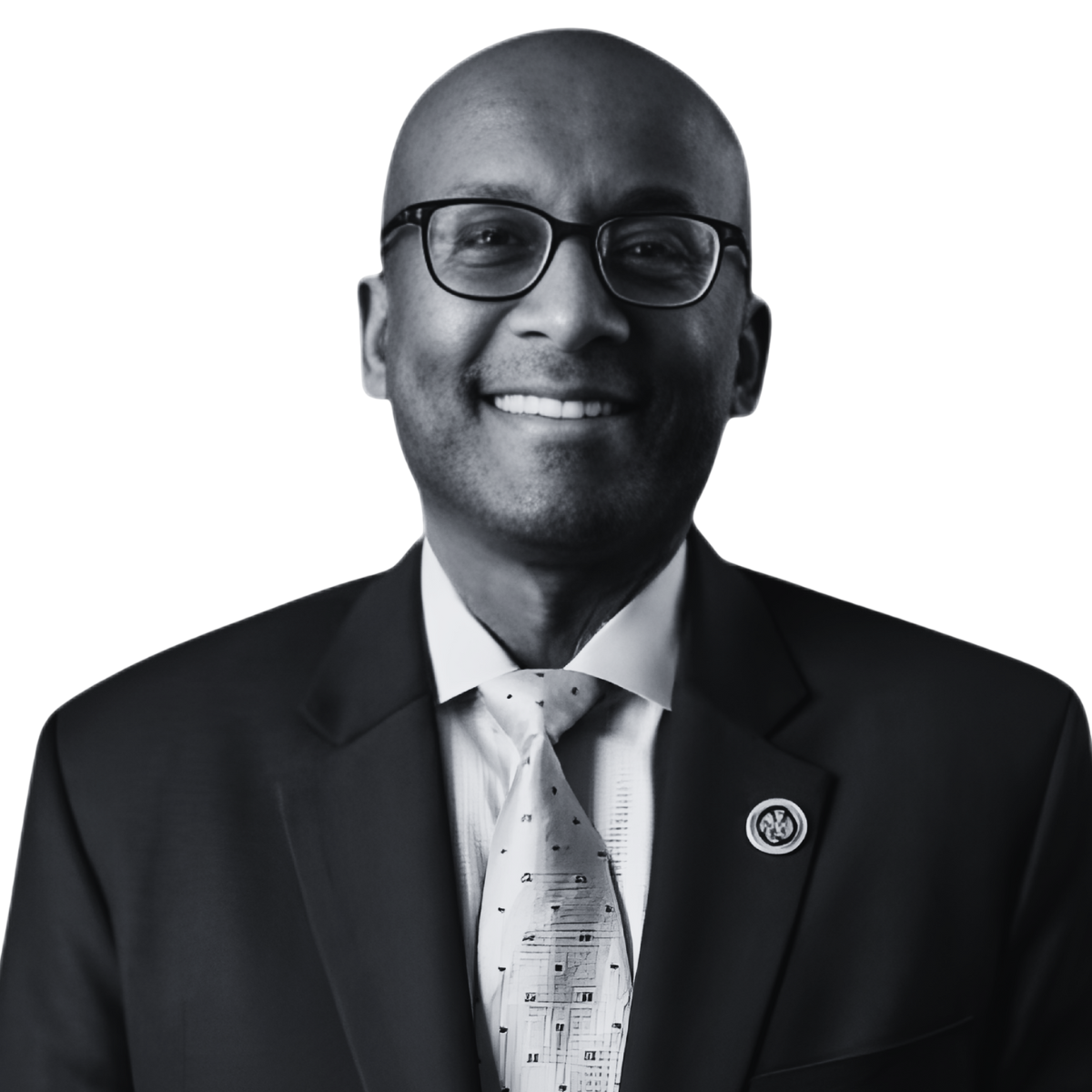
Bryan Hill
COUNTY EXECUTIVE
FAIRFAX COUNTY

John Horn
VICE PRESIDENT OF CUSTOMER ENGAGEMENT
CAPELLA SPACE
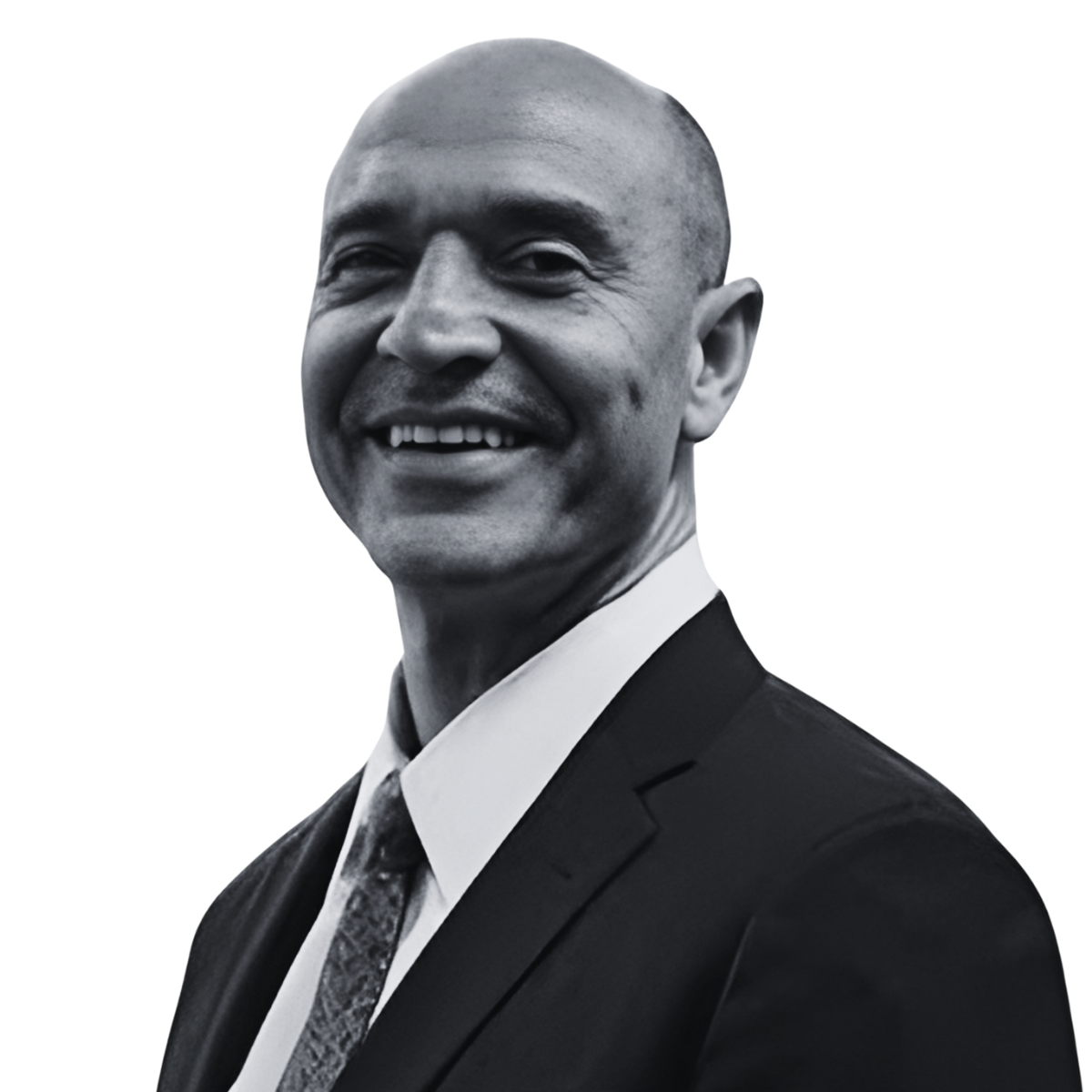
Victor Hoskins
PRESIDENT & CEO
FAIRFAX COUNTY ECONOMIC DEVELOPMENT AUTHORITY
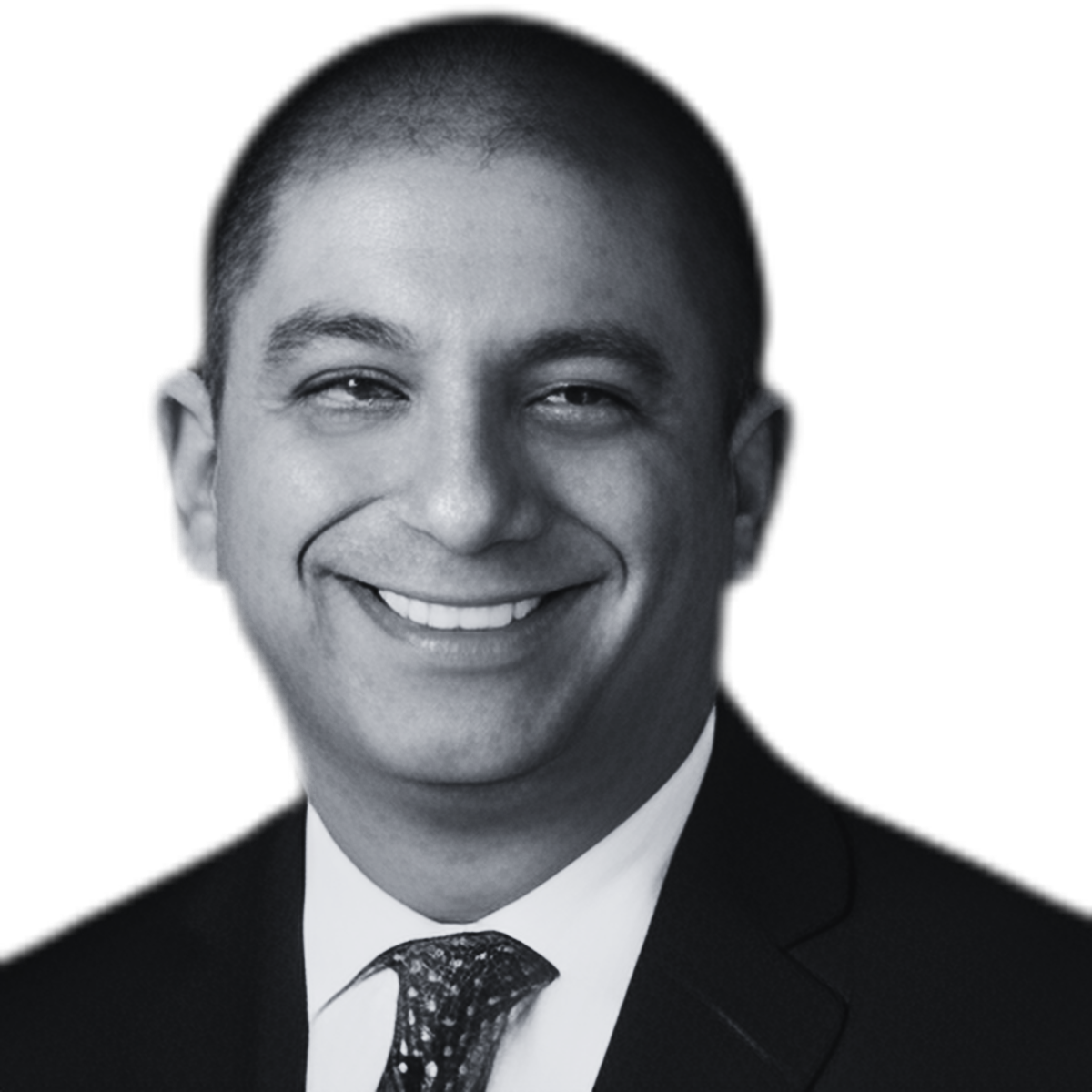
Jamil Jaffer
FOUNDER & EXECUTIVE DIRECTOR
NATIONAL SECURITY INSTITUTE

Yosuke Kaneko
FIRST SECRETARY & SPACE ATTACHÉ, EMBASSY OF JAPAN
PRESIDENT, INTERPLANETARY NETWORKING SPECIAL INTEREST GROUP

Marcella Kneppers
INNOVATION, TECHNOLOGY AND SCIENCE SENIOR ADVISOR
EMBASSY OF THE NETHERLANDS

Petri Koikkalainen
COUNSELOR FOR SCIENCE AND HIGHER EDUCATION
EMBASSY OF FINLAND

Adam Lattimore
DIRECTOR OF TECHNOLOGY AND INNOVATION
OFFICE OF THE DEPUTY MAYOR FOR PLANNING AND ECONOMIC DEVELOPMENT

Makenzie Lystrup
PRINCIPAL CONSULTANT, PERIDOT SERVICES
FMR. CENTER DIRECTOR, NASA GODDARD SPACE FLIGHT CENTER
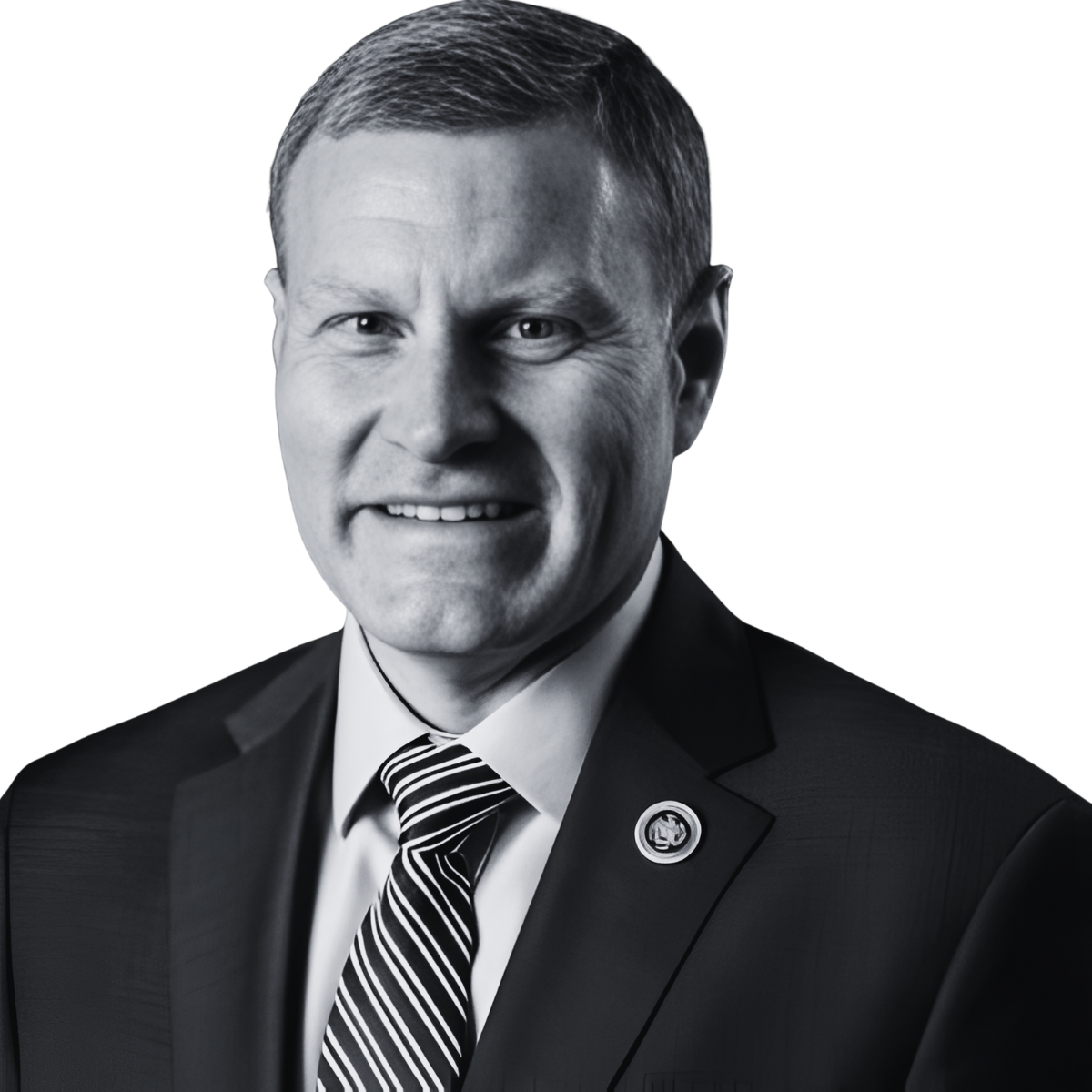
Jeff McKay
CHAIRMAN
FAIRFAX COUNTY BOARD OF SUPERVISORS

Aaron Miles
COORDINATOR FOR STRATEGIC CAPABILITIES
WHITE HOUSE OFFICE OF SCIENCE AND TECHNOLOGY POLICY
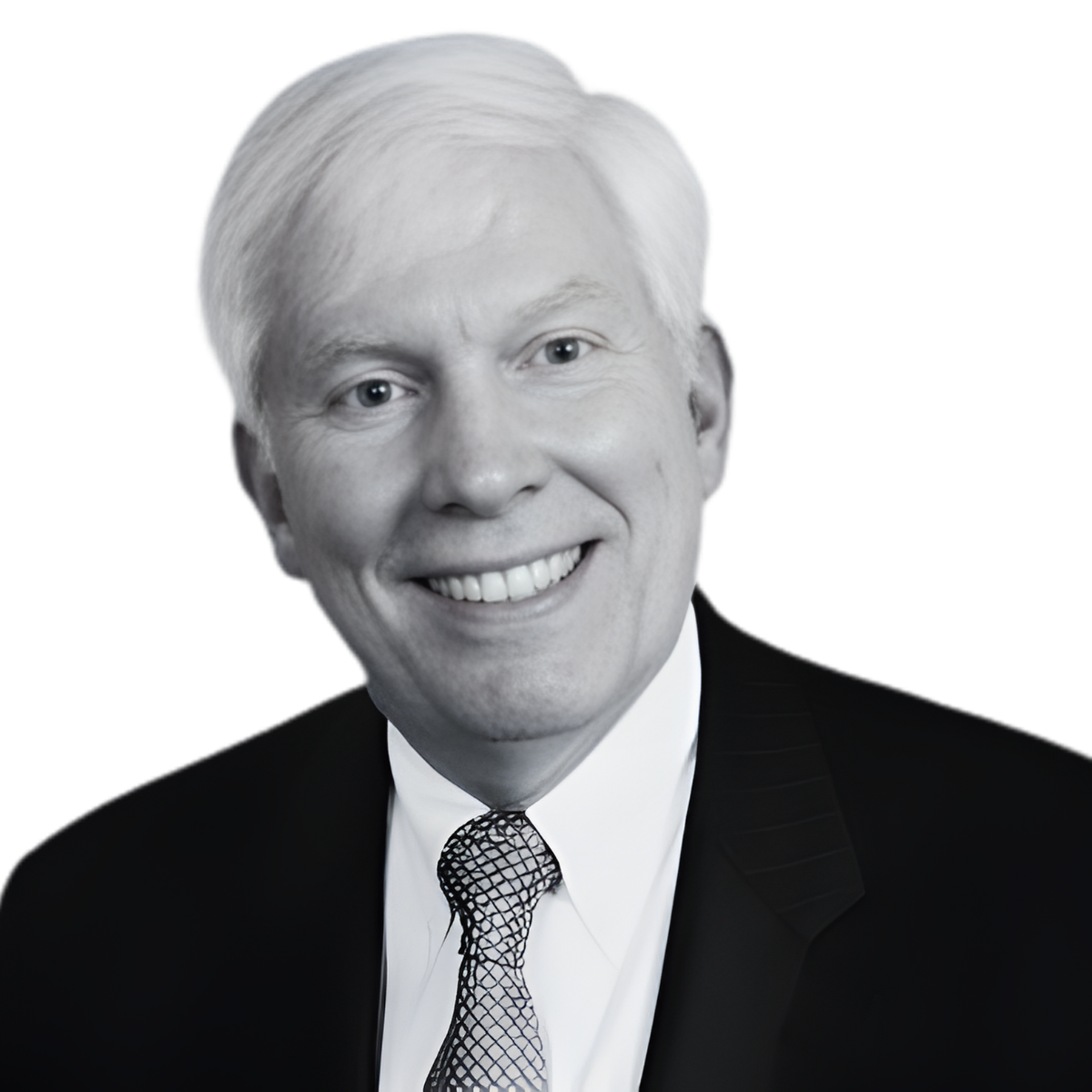
George Nield
PRESIDENT
COMMERCIAL SPACE TECHNOLOGIES, LLC

Anna Nissinen
SENIOR VICE PRESIDENT
FAIRFAX COUNTY ECONOMIC DEVELOPMENT

Rima Oueid
SENIOR COMMERCIALIZATION EXECUTIVE
U.S. DEPARTMENT OF ENERGY
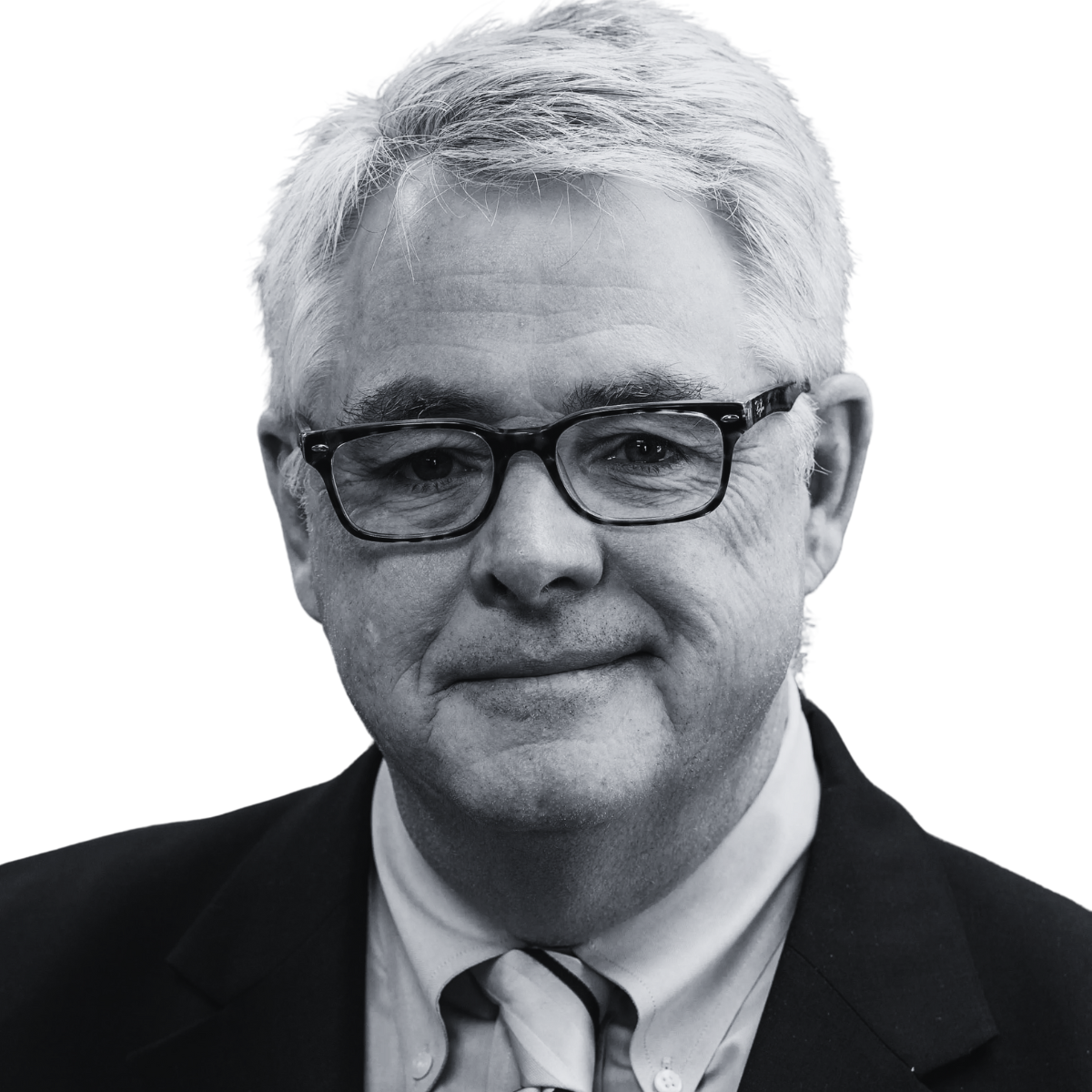
Dave Pierce
DIRECTOR
NASA WALLOPS FLIGHT FACILITY

Peter Plavchan
FULL PROFESSOR OF PHYSICS AND ASTRONOMY
GEORGE MASON UNIVERSITY
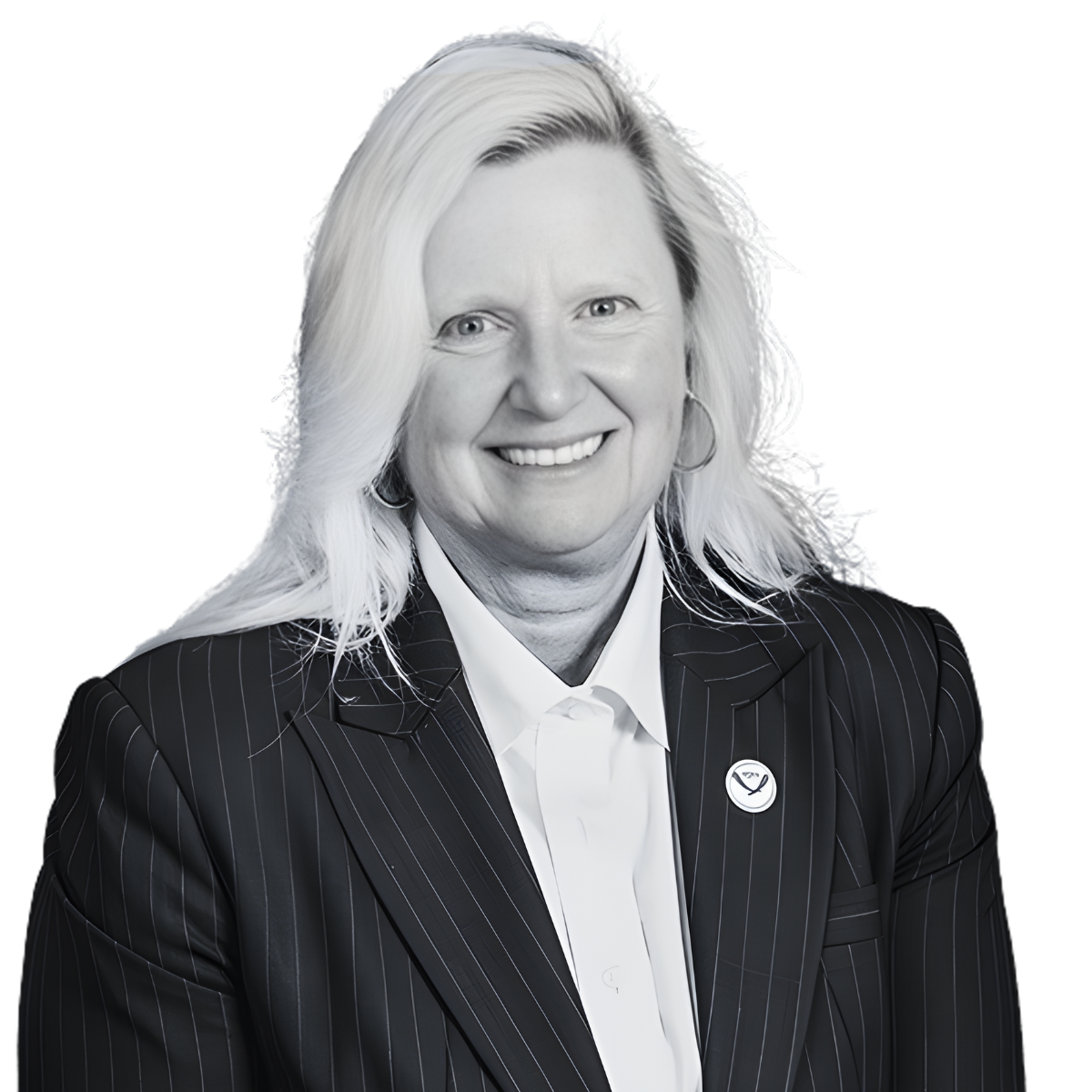
Dianne Poster
SENIOR ADVISOR, OFFICE OF SPACE COMMERCE
NOAA, U.S. DEPARTMENT OF COMMERCE
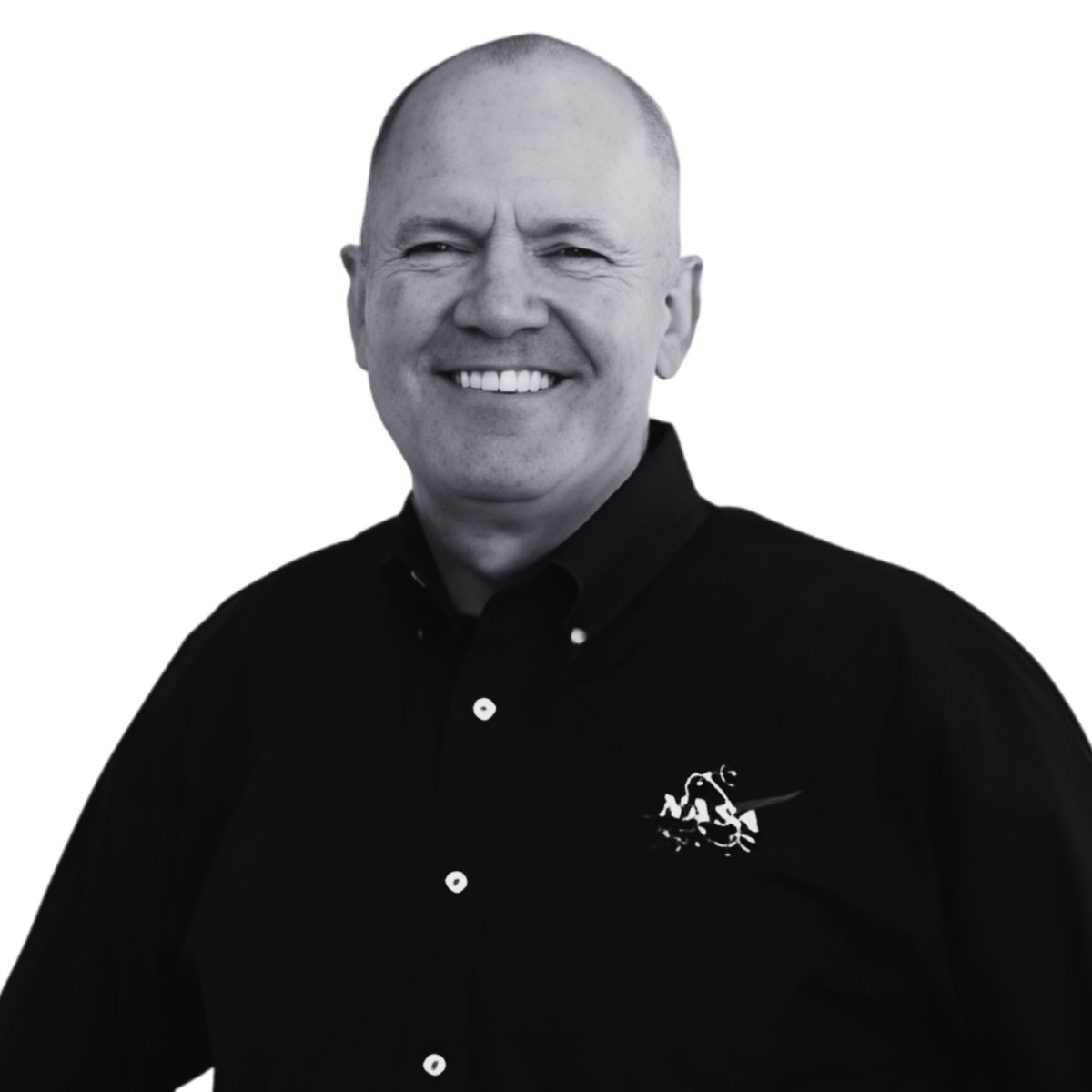
Paul Richards
ASTRONAUT
NASA

John Richmond
INVESTOR
LOCKHEED MARTIN VENTURES

Donna Roberts
CHIEF SCIENCE OFFICER
AMERICAN DEEPTECH

Raphael Roettgen
FOUNDER
E2MC

Giovanni Rosanova, Jr.
DEPUTY DIRECTOR
NASA WALLOPS FLIGHT FACILITY

Marco Rubin
SENIOR INVESTMENT DIRECTOR
VIRGINIA INNOVATION PARTNERSHIP CORPORATION

Pallabi Saboo
FOUNDER, BOARD & STRATEGIC ADVISOR
HARMONIA HOLDINGS

Jordan Shapiro
PRESIDENT AND GM, QUANTUM NETWORKING, SENSING, AND SECURITY
IONQ

Stu Solomon
EXECUTIVE CHAIRMAN
CONNECTED DMV
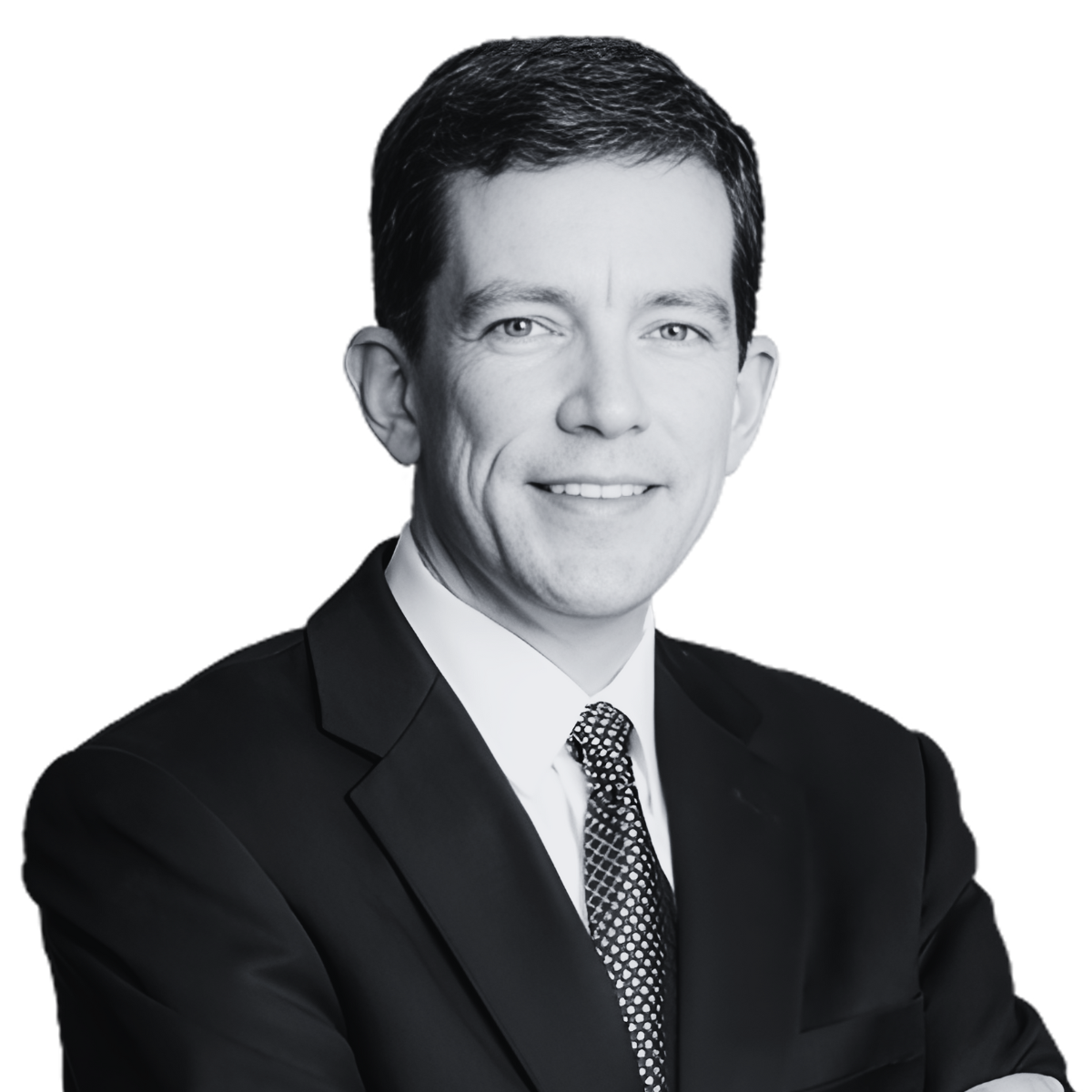
Paul Stimers
PARTNER
HOLLAND & KNIGHT
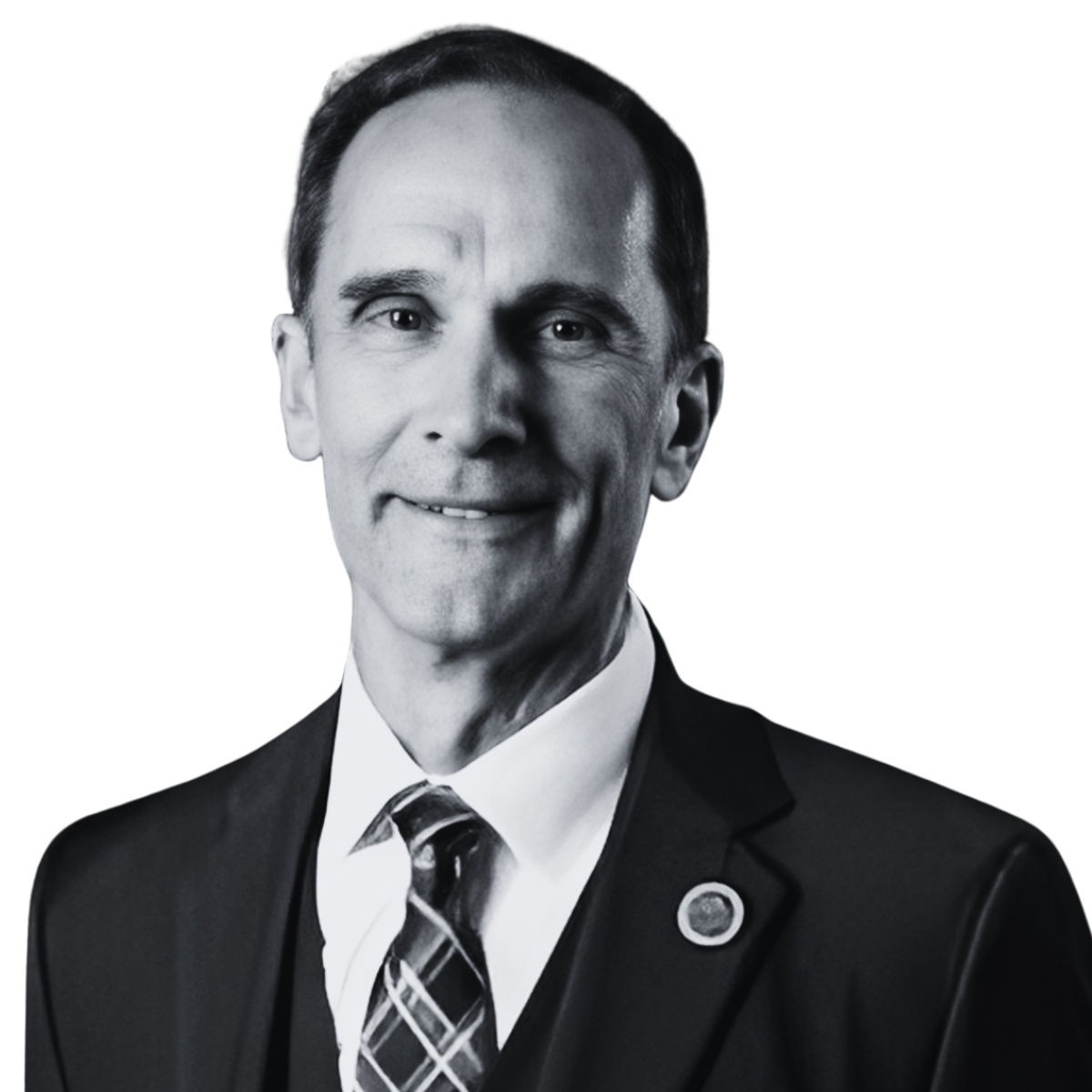
Dan Storck
SUPERVISOR
FAIRFAX COUNTY BOARD OF SUPERVISORS

Gabriel Swiney
DIRECTOR, POLICY, ADVOCACY, & INTERNATIONAL DIVISION
OFFICE OF SPACE COMMERCE
NOAA, U.S. DEPARTMENT OF COMMERCE

Clayton Swope
DEPUTY DIRECTOR, AEROSPACE SECURITY PROJECT
CENTER FOR STRATEGIC AND INTERNATIONAL STUDIES
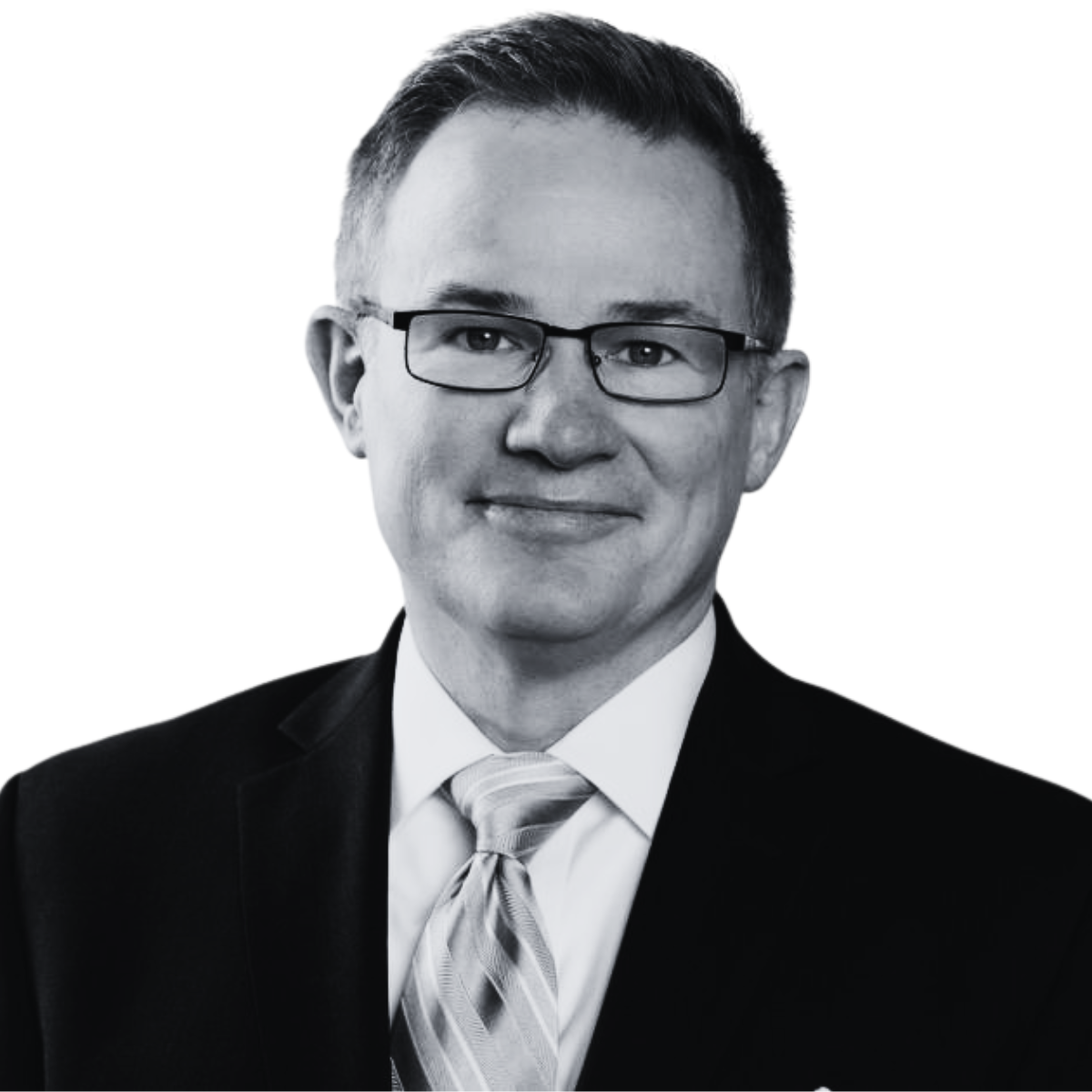
Kevin Toner
VICE PRESIDENT
MITRE
Senator Mark Warner
U.S. SENATOR
VIRGINIA
H.E. Leena-Kaisa Mikkola
AMBASSADOR OF FINLAND TO THE UNITED STATES
Amit Kshatriya
ASSOCIATE ADMINISTRATOR
NASA
NINA ALBERT
DEPUTY MAYOR FOR PLANNING & ECONOMIC DEVELOPMENT
DISTRICT OF COLUMBIA
Namgya Khampa
CHARGE D’AFFAIRES A.I.
EMBASSY OF INDIA
Arpan Sura
CHIEF AI OFFICER
FEDERAL COMMUNICATIONS COMMISSION
Jason Aspiotis
GLOBAL DIRECTOR, ORBITAL DATA CENTERS
AXIOM SPACE
Ron Birk
PRINCIPAL DIRECTOR, SPACE ENTERPRISE EVOLUTION DIRECTORATE
THE AEROSPACE CORPORATION
Jacob Bleacher
CHIEF EXPLORATION SCIENTIST
NASA
Maria Brogren
COUNSELOR FOR SCIENCE & INNOVATION, EMBASSY OF SWEDEN
HEAD OF SWEDEN’S OFFICE OF SCIENCE AND INNOVATION
Georgie Brophy
CO-FOUNDER & OFFICER
MARYLAND AEROSPACE ALLIANCE
Paul Burfield
MINISTER COUNSELLOR (COMMERCIAL) DEFENCE, SPACE & SECURITY
AUSTRALIAN TRADE & INVESTMENT COMMISSION (AUSTRADE) EMBASSY OF AUSTRALIA
Bianca Cefalo
CEO & FOUNDER
SPACE DOTS
La Vida Cooper
ASSOCIATE DIRECTOR, PROJECT FORMULATION & DEVELOPMENT OFFICE
NASA GODDARD SPACE FLIGHT CENTER
Preston Dunlap
FOUNDER
ARKENSTONE VENTURES
Martin Elvis
ASTROPHYSICIST
HARVARD-SMITHSONIAN CENTER OF ASTROPHYSICS
Ron Faibish
SENIOR DIRECTOR OF STRATEGIC DEVELOPMENT, NUCLEAR TECHNOLOGIES & MATERIALS
GENERAL ATOMICS
Johannes Galatsanos
CO-FOUNDER & CEO
DIFFRAQTION
Bryan Hill
COUNTY EXECUTIVE
FAIRFAX COUNTY
John Horn
VICE PRESIDENT OF CUSTOMER ENGAGEMENT
CAPELLA SPACE
Victor Hoskins
PRESIDENT & CEO
FAIRFAX COUNTY ECONOMIC DEVELOPMENT AUTHORITY
Jamil Jaffer
FOUNDER & EXECUTIVE DIRECTOR
NATIONAL SECURITY INSTITUTE
Yosuke Kaneko
FIRST SECRETARY & SPACE ATTACHÉ, EMBASSY OF JAPAN
PRESIDENT, INTERPLANETARY NETWORKING SPECIAL INTEREST GROUP
Marcella Kneppers
INNOVATION, TECHNOLOGY AND SCIENCE SENIOR ADVISOR
EMBASSY OF THE NETHERLANDS
Petri Koikkalainen
COUNSELOR FOR SCIENCE AND HIGHER EDUCATION
EMBASSY OF FINLAND
Adam Lattimore
DIRECTOR OF TECHNOLOGY AND INNOVATION
OFFICE OF THE DEPUTY MAYOR FOR PLANNING AND ECONOMIC DEVELOPMENT
Makenzie Lystrup
PRINCIPAL CONSULTANT, PERIDOT SERVICES
FMR. CENTER DIRECTOR, NASA GODDARD SPACE FLIGHT CENTER
Jeff McKay
CHAIRMAN
FAIRFAX COUNTY BOARD OF SUPERVISORS
Aaron Miles
COORDINATOR FOR STRATEGIC CAPABILITIES
WHITE HOUSE OFFICE OF SCIENCE AND TECHNOLOGY POLICY
George Nield
PRESIDENT
COMMERCIAL SPACE TECHNOLOGIES, LLC
Anna Nissinen
SENIOR VICE PRESIDENT
FAIRFAX COUNTY ECONOMIC DEVELOPMENT
Rima Oueid
SENIOR COMMERCIALIZATION EXECUTIVE
U.S. DEPARTMENT OF ENERGY
Dave Pierce
DIRECTOR
NASA WALLOPS FLIGHT FACILITY
Peter Plavchan
FULL PROFESSOR OF PHYSICS AND ASTRONOMY
GEORGE MASON UNIVERSITY
Dianne Poster
SENIOR ADVISOR, OFFICE OF SPACE COMMERCE
NOAA, U.S. DEPARTMENT OF COMMERCE
Paul Richards
ASTRONAUT
NASA
John Richmond
INVESTOR
LOCKHEED MARTIN VENTURES
Donna Roberts
CHIEF SCIENCE OFFICER
AMERICAN DEEPTECH
Raphael Roettgen
FOUNDER
E2MC
Giovanni Rosanova, Jr.
DEPUTY DIRECTOR
NASA WALLOPS FLIGHT FACILITY
Marco Rubin
SENIOR INVESTMENT DIRECTOR
VIRGINIA INNOVATION PARTNERSHIP CORPORATION
Pallabi Saboo
FOUNDER, BOARD & STRATEGIC ADVISOR
HARMONIA HOLDINGS
Jordan Shapiro
PRESIDENT AND GM, QUANTUM NETWORKING, SENSING, AND SECURITY
IONQ
Stu Solomon
EXECUTIVE CHAIRMAN
CONNECTED DMV
Paul Stimers
PARTNER
HOLLAND & KNIGHT
Dan Storck
SUPERVISOR
FAIRFAX COUNTY BOARD OF SUPERVISORS
Gabriel Swiney
DIRECTOR, POLICY, ADVOCACY, & INTERNATIONAL DIVISION
OFFICE OF SPACE COMMERCE
NOAA, U.S. DEPARTMENT OF COMMERCE
Clayton Swope
DEPUTY DIRECTOR, AEROSPACE SECURITY PROJECT
CENTER FOR STRATEGIC AND INTERNATIONAL STUDIES
Kevin Toner
VICE PRESIDENT
MITRE

Our Partners
2026 Sponsor Roster
spaceNEXT is made possible by a community of pioneering organizations shaping the future of space-based enterprise, infrastructure, and innovation.




































Stay in the loop
Stay in the Loop
Sign up for spaceNEXT season updates, including event news and announcements.